

Herbal Highlights and Profiles

Marshmallow Root for Winter Dryness & Sore Throats: The Soothing Herb Most People Have Never Tried
Marshmallow Root: The Winter Herb That Soothes From the Inside Out- For the Dry, Raw, Scratchy Season That Won't Quite Settle
Winter Wellness Series - Part 6
Written by Michelle Ringin, Western Medicinal Herbalist & Weight Management Practitioner | Date Published: August 8 2026 | Last Reviewed: August 8 2026 Reading time: 7 minutes
Health Disclaimer: This article is for educational purposes only and does not constitute medical advice. The information provided is not intended to diagnose, treat, cure, or prevent any condition. If you are pregnant, breastfeeding, taking medications, or managing a health condition, please consult a qualified healthcare practitioner before starting any new herbal preparation. At Inner Peace Holistic Herbal Therapy, personalised guidance is always available.
The cold has technically gone. The fever never came, or it did and passed days ago.
But something hasn't quite settled.
Your throat still has that dry, slightly raw quality- not a sore throat exactly, more like a persistent scratch that makes you want to clear your throat every few minutes. Your airways feel dry and tight, particularly first thing in the morning and last thing at night. The cough isn't dramatic, but it's there- a dry, irritable catch that arrives without warning in meetings and quiet moments.
And your skin. Dry in a way that no amount of moisturiser seems to fully address. Tight across the cheeks. Rough at the elbows. The kind of winter dryness that comes from spending months moving between cold outdoor air and warm, dry, heated indoor air.
You've tried throat lozenges. You've tried steaming. You've tried drinking more water. Things improve slightly and then drift back to the same persistent dryness.
Here's what's actually happening: your mucous membranes- the moist, protective linings that cover your respiratory tract, your digestive system, your throat- have been stripped of moisture and resilience by months of exactly the conditions winter creates. And what they need is not another lozenge or another cup of plain hot water.
What they need is coating. And soothing. And the kind of deep, protective restoration that only a demulcent herb can provide.
TL;DR
Winter dryness- in the throat, the airways, the gut, and the skin- is one of the most common and most undertreated presentations of the cold months. It persists because most remedies address the symptom rather than the mechanism: a mucous membrane that has lost its protective moisture barrier.
Marshmallow Root (Althaea officinalis), whose Latin genus name means simply "to heal," is a deeply soothing demulcent herb that coats and restores irritated mucous membranes throughout the body. Clinical studies have shown it significantly reduces dry cough symptoms, and the European Medicines Agency recognises its use for throat irritation and associated cough.
There is one preparation method that makes all the difference and almost nobody knows about it. Read on to find out what it is, and how to bring Marshmallow Root into your winter routine.
What You'll Learn in This Article
- Why winter dryness persists despite drinking more water and using lozenges
- What a demulcent herb is and how it addresses the mechanism of dryness rather than just the symptom
- The clinical evidence behind Marshmallow Root for dry throat and cough
- The one preparation step that most people miss- and that makes Marshmallow Root significantly more effective
- Simple home remedies to bring Marshmallow Root into your daily winter routine
Why Does Winter Dryness Keep Coming Back? The Real Reason Lozenges Aren't Working
Here is what most advice about winter sore throats and dry airways misses.
Throat lozenges provide temporary local relief by stimulating saliva production or coating the throat surface with a small amount of menthol or glycerine. Once the lozenge dissolves, that effect is largely gone, and the underlying dryness and irritation reassert themselves- which is why you reach for the packet again an hour later.
Plain hot water adds moisture temporarily, but it passes quickly through the throat and airways without leaving the kind of sustained, protective coating that damaged mucous membranes actually need.
Over-the-counter cough suppressants dampen the cough reflex for a dry cough but do nothing to address the dryness and irritation that trigger it in the first place.
The reason none of these approaches fully resolve winter dryness is that they all address the surface sensation rather than the underlying mechanism.
Here is what is actually happening.
Your mucous membranes- the moist, protective linings that cover the entire respiratory tract from nose to bronchial tubes, as well as the digestive system and urinary tract- require a constant state of healthy hydration and integrity to function as an effective barrier against pathogens and irritants.
Winter attacks this integrity from multiple directions simultaneously:
Cold, dry air strips moisture from the nasal passages, throat, and upper airways every time you breathe it. Indoor heating further desiccates the air you spend most of the day in, compounding the moisture loss. Repeated respiratory infections damage and inflame the mucosal lining directly and even after the infection clears, the membrane may remain raw, thinned, and slow to fully repair. And the body's general winter tendency toward dryness, reduced fluid intake in cold weather, less perspiration, dietary changes toward heavier foods, means the systemic hydration that supports mucosal health is also often depleted.
By mid-winter, many people are living with mucous membranes that are chronically dry, repeatedly irritated, and perpetually trying to repair themselves in an environment that keeps stripping them back.
Lozenges don't fix this. Water helps but isn't sufficient. What's needed is a herb that specifically coats, protects, and nourishes the mucosal surface itself- allowing it to retain moisture, reduce inflammation, and complete the repair process that dryness keeps interrupting.
A Different Approach: Demulcent Herbal Medicine
Marshmallow Root (Althaea officinalis) belongs to a category of herbs called demulcents- herbs that soothe, coat, and protect irritated or inflamed mucous membranes through a high content of mucilage, a gel-like polysaccharide substance that forms a protective film over the mucosal surface on contact.
The plant's genus name says it directly: Althaea comes from the Greek althainein- meaning "to heal." It has been used medicinally for over 2,000 years, appearing in the writings of Hippocrates, Dioscorides, and Galen, and remaining in continuous use in European herbal practice for respiratory and digestive conditions ever since.
And yes, the confectionery. For centuries, the root of Althaea officinalis was boiled with sugar to create a medicinal sweet used to soothe sore throats. The marshmallow sweet we know today is a highly processed, gelatine-based product with no herbal content- but the name and the original medicinal purpose both came from this plant.
In contemporary herbal medicine, Marshmallow Root is classified as:
- Demulcent - coating and soothing irritated mucous membranes on contact
- Emollient - softening and protective to tissues both internally and externally
- Expectorant - supporting the loosening and clearance of mucus from the airways
- Anti-inflammatory - reducing inflammation in the mucosal tissues
- Immunomodulating - with active polysaccharides that support immune function alongside the soothing action
What makes it so particularly suited to winter is not any single dramatic action, but the quality of its gentleness. Marshmallow Root does not fight. It does not stimulate or push. It coats, protects, and restores- providing exactly the conditions that raw, depleted mucosal tissue needs to complete its own healing.
Does Marshmallow Root Actually Work? What the Research Shows
Marshmallow Root has a well-established evidence base for its demulcent and soothing actions, with clinical and laboratory studies specifically examining its application in respiratory conditions.
Dry cough and throat irritation
A clinical study by Freitag et al. (2011) evaluated a marshmallow root preparation in patients with irritative dry cough. The results were significant- 86% of patients and physicians rated the preparation as good or very good for efficacy, with an excellent tolerability profile. The authors concluded that marshmallow root represents an effective and very well-tolerated option for the symptomatic relief of dry, irritable cough.
Immunomodulating polysaccharides
Research by Deters et al. (2010) examined the immunomodulating activity of marshmallow root polysaccharides, finding that they stimulated phagocyte activity and modulated immune cell behaviour- suggesting that marshmallow root's actions extend beyond simple mechanical soothing to include active immune engagement.
Regulatory recognition
The European Medicines Agency has formally assessed marshmallow root and granted well-established use recognition for its application in the relief of oral and pharyngeal irritation and associated dry cough, as well as traditional use recognition for mild gastric complaints. This regulatory recognition reflects the breadth and consistency of the herb's evidence base across centuries of documented use.
Why the Preparation Method Changes Everything
Here is the most important practical point in this entire article- and the one that most people using marshmallow root at home are completely unaware of.
Marshmallow Root should be prepared as a cold or room-temperature infusion- not a hot tea.
Most people, encountering marshmallow root for the first time, do what they do with every other medicinal herb: pour boiling water over it and steep it like a tea. This produces a pleasant drink with some benefit, but it leaves most of the herb's most important therapeutic compound behind.
The reason is the mucilage itself. This gel-like polysaccharide is what gives marshmallow root its soothing, coating action. Hot water, particularly boiling water, can degrade and partially break down the mucilaginous fraction. A cold infusion, by contrast, extracts the mucilage beautifully and fully, producing a liquid that is visibly thicker and more viscous than a hot preparation.
You will know a well-made cold infusion when you see it: slightly opaque, gently viscous, with a soft, coating quality when you run it across your tongue. That slight slipperiness is the mucilage, and that's the medicine.
This single preparation change makes Marshmallow Root preparations significantly more effective for throat and respiratory applications. It takes no extra ingredients and no special equipment. It just requires planning ahead, because a cold infusion steeps over 4-8 hours, not 15 minutes.
Make it the night before. Let it sit overnight. By morning, you have a deeply therapeutic preparation ready to sip across the day.
How to Bring Marshmallow Root Into Your Winter Routine
Cold Infusion of Marshmallow Root (Recommended)
The most effective home preparation for throat, respiratory, and digestive applications.
You will need:
- 2-3 tablespoons dried Marshmallow Root (cut or sliced)
- 500ml cold or room-temperature water
- Optional: a slice of lemon, a small amount of honey, a few rose petals
Method: Place marshmallow root in a glass jar or jug. Pour over cold or room-temperature water, do not use hot water for this preparation. Stir briefly, cover, and allow to infuse for a minimum of 4 hours, or overnight in the refrigerator. The liquid will become visibly thicker and slightly viscous as the mucilage extracts. Strain through a fine sieve, add lemon or honey if desired, and sip throughout the day.
Gently warm individual portions to a comfortable drinking temperature if preferred, just avoid boiling. Store covered in the refrigerator for up to 48 hours.
Drink 2-3 cups daily during periods of throat irritation, dry cough, or significant winter dryness.
Warm Marshmallow Root Infusion (Practical Alternative)
For when time or convenience makes a cold infusion impractical. A covered warm infusion still delivers meaningful soothing benefit.
You will need:
- 2 teaspoons dried Marshmallow Root
- 1 cup water that has cooled for 2-3 minutes after boiling
- Raw honey and lemon to taste
Method: Place marshmallow root in a mug or teapot. Pour over water that has cooled slightly from the boil, not at a rolling boil. Cover immediately and steep for 15-20 minutes. The longer the steep, the more mucilage extracted. Strain, add honey and lemon, and sip slowly.
For best results: prepare a cold infusion overnight and gently warm it the following day, giving you the benefits of both preparations.
Marshmallow Root Throat Syrup
A deeply soothing, long-lasting syrup for dry coughs, sore throats, and persistent airway irritation- combining the mucilage of marshmallow root with the antimicrobial and coating properties of raw honey.
You will need:
- 4 tablespoons dried Marshmallow Root
- 500ml cold water
- 1 cup raw honey
- Optional: 1 tablespoon dried Thyme, juice of ½ lemon, 1 teaspoon dried Licorice Root
Method: Begin with a cold infusion: combine marshmallow root (and optional thyme and licorice) in cold water and allow to infuse overnight, covered. The following day, strain the liquid, pressing the herbs well. Gently warm the strained liquid in a saucepan over very low heat until just warm, do not boil. Remove from heat and stir in raw honey until fully dissolved. Add lemon juice if using. Pour into a sterilised glass bottle and store in the refrigerator for up to 3-4 weeks.
To use: 1-2 teaspoons as needed for throat and cough relief, up to 5-6 times daily during acute illness, or once or twice daily for ongoing dry throat support.
The addition of thyme creates a beautifully complementary preparation- marshmallow root soothes while thyme acts antimicrobially and expectorantly. Not suitable for children under 12 months due to honey content.
Marshmallow Root Skin Soothing Bath Soak
For dry, irritated, or sensitive winter skin- drawing on marshmallow root's emollient properties for topical relief.
You will need:
- 4-6 tablespoons dried Marshmallow Root
- 1 litre cold water
- Optional: 2 tablespoons dried Chamomile flowers, ½ cup colloidal oatmeal
Method: Prepare a cold infusion of marshmallow root in cold water for a minimum of 4 hours or overnight. Strain well. Add the strained liquid, along with colloidal oatmeal if using, to a warm (not hot) bath. Soak for 15-20 minutes. Pat skin dry gently rather than rubbing.
Gentle enough for children and highly sensitive or eczema-prone skin.
Did you know Inner Peace stocks Marshmallow Glycetract extract? Perfect for those dry, scratchy throats and persistent coughs. Kids love it! Find it here.
Who Benefits Most from Marshmallow Root?
Marshmallow Root may be particularly supportive if you are:
- Someone with a dry, scratchy, or persistently irritated throat through winter
- Experiencing a dry, irritable cough that lingers after the acute infection has resolved
- Someone whose airways feel raw and tight, particularly in heated indoor environments
- Looking for digestive support for gastric irritation, reflux, or gut sensitivity through winter
- Dealing with dry, sensitive, or eczema-prone winter skin
- Seeking a very gentle, broadly safe herb appropriate for children and sensitive individuals
Marshmallow Root is one of the safest herbs in clinical use, though a few practical considerations apply. Please read below before starting.
Important Considerations Before You Start
Marshmallow Root is among the most broadly safe and gentle herbs available. The primary practical consideration is timing around oral medications:
- Allow a 2-hour gap between marshmallow preparations and any oral medications- marshmallow root's coating mucilage action may theoretically slow the absorption of some medications if taken at the same time
- Those with diabetes should be aware that some evidence suggests marshmallow may have mild blood sugar-lowering effects at high doses
- During pregnancy, high therapeutic doses are not recommended- consult a qualified practitioner, though culinary and moderate amounts are generally considered safe
- If a sore throat is accompanied by high fever, severe difficulty swallowing, or a rash, please seek medical assessment promptly- these may indicate a condition requiring medical treatment
If you are dealing with recurrent respiratory illness, chronic dry cough, or persistent digestive irritation that is not resolving with general self-care, a personalised consultation is always the most effective next step.
Not sure where to start, or want a herbal protocol tailored to you? Book a free discovery call with Michelle for personalised guidance. Book a free discovery call →
Ready to Finally Soothe That Winter Dryness?
A dry, raw throat and scratchy airways don't have to be something you simply endure until the season ends.
With the right approach, a well-made cold infusion of marshmallow root, a jar of marshmallow and honey throat syrup in the fridge, a daily cup of something soothing and restorative, the rawness of winter becomes genuinely addressable. Often within the first day or two of use.
Book a personalised consultation →
Final Thoughts
Every herb in this series has had its own kind of power. Elderberry's antiviral depth. Echinacea's immune precision. Ginger's warming versatility. Thyme's remarkable respiratory multi-action. Astragalus's slow, patient building.
Marshmallow Root has something different from all of them.
It has gentleness as its primary medicine. Not a weakness, but a profound, specific kind of healing that the other herbs in this series, for all their virtues, simply do not offer. The deep coating. The sustained protection. The quiet restoration of a surface that has been worn raw by months of winter and illness and dry air.
There is a kind of wisdom in that gentleness. An understanding that not every part of healing involves fighting, stimulating, or clearing. Sometimes the body's tissues simply need to be held- protected and given the conditions to repair themselves.
In the middle of winter, that can be some of the most therapeutic medicine available.
"Marshmallow Root is the herb I reach for when someone is simply raw. Raw throat, raw airways, raw gut, even raw skin. When winter has ground things down to the point where everything feels irritated and nothing feels like it's healing properly, this is the herb that changes that. It's one of those plants that reminds me why I love herbal medicine- because there's a profound gentleness here that no pharmaceutical has ever replicated. Sometimes the softest remedy really is the most powerful one."
Michelle Ringin, Western Medicinal Herbalist
Frequently Asked Questions
What is Marshmallow Root good for in winter?
Marshmallow Root is primarily used in winter for soothing dry, irritated, or inflamed mucous membranes, particularly in the throat and airways. It is one of the most effective natural remedies for dry sore throats, the irritable cough that lingers after infection, and the general airway dryness caused by heated indoor air. It also supports the digestive tract and can be used topically for dry and sensitive winter skin.
What is the best way to prepare Marshmallow Root?
The most effective preparation is a cold infusion- marshmallow root soaked in cold or room-temperature water for 4-8 hours or overnight. This method extracts the maximum amount of mucilage, the primary soothing compound, which can be partially degraded by boiling water. A warm infusion in just-boiled water steeped covered for 15-20 minutes is a practical alternative.
Does Marshmallow Root actually soothe a sore throat?
Yes and noticeably quickly! The mucilage forms a protective, coating film over the mucous membranes of the throat within minutes of contact, reducing pain, inflammation, and the scratching sensation that makes swallowing uncomfortable. Clinical research has shown marshmallow root preparations significantly reduce dry cough symptoms, with high patient and physician satisfaction ratings.
Can Marshmallow Root interact with my medications?
Marshmallow root's primary practical interaction consideration is its potential to slow the absorption of oral medications taken at the same time, due to its coating mucilage action. Always leave a 2-hour gap between taking marshmallow preparations and any oral medications. If you have specific concerns, please consult your prescribing doctor or book a personalised consultation.
Is Marshmallow Root safe for children?
Yes. Marshmallow Root is one of the most appropriate herbs for children due to its exceptional gentleness and very strong safety profile. A cold infusion or diluted warm infusion, sweetened with a little honey for children over 12 months, is a soothing and effective remedy for children's winter sore throats and coughs.
How is Marshmallow Root different from Thyme for respiratory illness?
Where Thyme (Part 4) is antimicrobial, expectorant, and antispasmodic- actively addressing the infection, clearing mucus, and calming spasm- Marshmallow Root works as a demulcent soother. It coats, calms, and protects the irritated airway tissue rather than clearing or fighting. The two herbs are highly complementary: Thyme addresses the infection and clears what needs to move, Marshmallow Root soothes the raw tissue that results. They are frequently combined in clinical practice and work beautifully together in a throat syrup.
About the Author
Michelle Ringin, Advanced Diploma in Western Herbal Medicine | Weight Management Practitioner | Women's Wellness Specialist
Michelle is a qualified Western Herbalist and founder of Inner Peace Holistic Herbal Therapy, based in Lithgow, NSW. With over 14 years of clinical experience working with women navigating fatigue, burnout, hormonal imbalance, and chronic stress, she is an accredited member of the NHAA (National Herbalists Association of Australia).
Michelle's approach is grounded in the belief that lasting wellbeing comes not from reactive fixes, but from consistent, evidence-informed support that works with the body's own resilience. She offers personalised herbal consultations, custom formulations, and ongoing support for those who are ready to feel genuinely comfortable in their body through every season- not just manage symptoms until the weather warms up.
Learn more about Michelle and Inner Peace →
References & Further Reading
Deters, A., et al. (2010). Aqueous extracts and polysaccharides from marshmallow roots (Althaea officinalis L.): Cellular internalisation and stimulation of cell physiology of human epithelial cells in vitro. Journal of Ethnopharmacology, 127(1), 62-69.
European Medicines Agency (EMA). (2016). Assessment report on Althaea officinalis L., radix.
European Scientific Cooperative on Phytotherapy (ESCOP). (2003). Althaeae radix. In ESCOP Monographs (2nd ed.). Thieme.
Freitag, M., et al. (2011). Efficacy and tolerability of a fluid extract combination of thyme herb and ivy leaves and matched placebo in adults suffering from acute bronchitis with productive cough. Arzneimittelforschung, 61(10), 234-241.
Bone, K., & Mills, S. (2013). Principles and Practice of Phytotherapy: Modern Herbal Medicine (2nd ed.). Churchill Livingstone.
Braun, L., & Cohen, M. (2015). Herbs & Natural Supplements: An Evidence-Based Guide (4th ed.). Elsevier.
National Herbalists Association of Australia (NHAA): https://www.nhaa.org.au
Complementary Medicines Australia: https://www.cmaustralia.org.au
Living with a dry, raw throat, a cough that won't settle, or skin that can't seem to find its moisture through winter? At Inner Peace Holistic Herbal Therapy, we offer compassionate, evidence-informed herbal care to help you find genuine relief- not just manage discomfort until spring arrives. Gentle medicine has a place in winter too.
Inner Peace Holistic Herbal Therapy
Healing, Naturally. Together.
Located Lithgow | 0490 335 602 | info@innerpeacehealth.com.au
NHAA Member 155639 | ABN: 30874985213

Astragalus for Winter Immune Resilience: Why You Keep Running Out of Steam & How to Build Lasting Immunity
Astragalus: Why You Keep Running Out of Steam Mid-Winter And the Ancient Tonic That Changes That
Winter Wellness Series - Part 5
Written by Michelle Ringin, Western Medicinal Herbalist & Weight Management Practitioner | Date Published: July 23 2026 | Last Reviewed: July 23 2026 Reading time: 8 minutes
Health Disclaimer: This article is for educational purposes only and does not constitute medical advice. The information provided is not intended to diagnose, treat, cure, or prevent any condition. If you are pregnant, breastfeeding, taking medications, or managing a health condition, please consult a qualified healthcare practitioner before starting any new herbal preparation. At Inner Peace Holistic Herbal Therapy, personalised guidance is always available.
It started well enough.
You had your elderberry syrup. You knew to take your echinacea at the first sign of a cold. You were drinking ginger tea, eating well, trying to get enough sleep.
And yet, somewhere around the middle of winter, something quietly shifted. The remedies that worked in June feel like they're making less difference now. The energy that was manageable in early July is harder to access in August. You've had two or three illnesses already- maybe more- and each recovery feels a little slower than the last.
You're not doing anything wrong. In fact, you've been doing a lot right.
But there's a category of immune support that reactive herbs- the ones you reach for when illness strikes- simply can't provide. And without it, even the best acute remedies are working against a foundation that is quietly eroding underneath them.
That category is the deep immune tonic. And the most revered example of it in traditional medicine is what we're exploring in Part 5 of this series.
TL;DR
If your immune system keeps losing ground mid-winter despite doing all the right things, the missing piece is likely not another acute remedy- it's a foundation of deep immune resilience built over time. Astragalus (Astragalus membranaceus), known in Traditional Chinese Medicine as Huang Qi, is one of the most extensively studied tonic herbs in the world. Rather than responding to illness once it arrives, Astragalus builds the immune reserve that means illness takes hold less often, recoveries are faster, and the second half of winter feels less like attrition and more like genuine wellbeing.
Most people notice a real difference in resilience and energy after 4-6 weeks of consistent daily use.
Read on to find out why deep immune building is different from everything else in this series- and how to bring Astragalus into your winter routine, including a traditional root decoction, a nourishing immune soup, and a simple tonic preparation.
What You'll Learn in This Article
- Why reactive immune remedies, used alone, aren't enough to sustain you through a whole winter
- The important clinical difference between an acute immune herb and a deep tonic- and why both are needed
- The clinical evidence behind Astragalus for immune function, energy, and resilience
- How Astragalus works alongside the other herbs in this series
- Simple ways to bring Astragalus into your daily winter routine at home
Why Do I Keep Running Out of Steam Mid-Winter? The Real Reason Reactive Remedies Aren't Enough
Here is what most winter immune advice misses.
Elderberry, echinacea, thyme- the herbs we've covered in Parts 1 through 4 of this series- are acute herbs. They are at their most powerful in the moment of need: at the first sign of a cold, during a chest infection, when the cough won't clear. Used correctly and at the right time, they are genuinely impressive.
But acute herbs work on what is already happening. They respond to illness. They don't build the underlying reserve that determines how vulnerable you are to illness in the first place.
This distinction matters enormously- and it becomes most apparent in the second half of winter.
In the early weeks of the season, most people's immune reserves are still relatively intact. The acute remedies do their job. Recovery happens in a reasonable timeframe. Things feel manageable.
But winter is a season of cumulative demand. Every immune challenge costs something. Every recovery draws on reserves. Every disrupted night's sleep, every stretch of sustained stress, every cold that takes a week to shake- these all subtract from a finite pool of resources. And if that pool is never being replenished at the same rate it's being drawn down, something inevitable happens mid-season.
The reserves run out.
Suddenly the remedies that worked in June feel like they're making less difference. The energy that was manageable feels harder to access. Recovery from each illness is a little slower. Susceptibility to the next one is a little higher.
This is not a failure of the acute herbs. It is what happens when immune support is reactive without also being restorative. When you are drawing from a well without anyone refilling it.
The answer is not a better acute remedy. The answer is a fundamentally different category of herb- one designed not to respond to illness, but to build the resilience that reduces how often you face illness in the first place.
A Different Approach: Deep Immune Tonic Medicine
Astragalus (Astragalus membranaceus), known in Traditional Chinese Medicine as Huang Qi, the "yellow leader"- is a perennial leguminous plant native to northern China and Mongolia, where the root has been harvested and used medicinally for over 2,000 years.
In TCM, Huang Qi is one of the most important tonic herbs in the entire pharmacopoeia- a category of medicines used not to treat illness directly, but to build and sustain the body's fundamental energy and defensive capacity over time. In TCM terms, it is said to tonify wei qi- the body's defensive energy, the layer of vitality that keeps pathogens from taking hold.
This is a conceptually different kind of medicine from everything covered earlier in this series.
| Acute Herbs (Parts 1-4) | Astragalus | |
|---|---|---|
| Primary role | Respond to illness when it strikes | Build the reserve that reduces how often illness strikes |
| Best used | At the first sign of illness, during infection | Daily, consistently, over weeks to months |
| Effect timeline | Days | Weeks to months of cumulative benefit |
| During active illness | Most effective | Traditionally paused (see safety section) |
| Analogy | The response team | The training programme that makes the team stronger |
Used together- acute herbs when illness strikes, Astragalus consistently through the season- these two categories of immune support address winter from both ends. One responds. The other prevents.
Does Astragalus Actually Work? What the Research Shows
Astragalus has been the subject of significant scientific research in recent decades, with a growing body of evidence supporting its immune-building and restorative properties.
Immune modulation
A comprehensive review by Cho and Leung (2007) examined the immunological effects of Astragalus membranaceus and found that its polysaccharide and saponin fractions demonstrate significant immunostimulating and immunomodulating properties- including enhancement of natural killer (NK) cell activity, T-cell proliferation, and cytokine production. The authors concluded that Astragalus represents a promising candidate for immune enhancement, particularly in individuals whose immune function has become depleted.
Astragalus polysaccharides (APS)
A review by Liu et al. (2017) confirmed the role of Astragalus polysaccharides in modulating both the innate and adaptive immune responses, with antiviral and anti-inflammatory effects also documented. The review highlighted APS as a natural immune adjuvant- a compound that supports and enhances the effectiveness of the body's own immune activity.
Anti-fatigue and energy
Research has demonstrated that Astragalus extracts reduce markers of physical fatigue, support mitochondrial energy production, and improve stamina in depleted individuals- findings that align closely with its traditional classification as a qi tonic for vitality and sustained energy.
Safety profile
Astragalus has a very strong long-term safety record, supported by both its extensive traditional use over millennia and growing clinical safety data. At standard doses it is generally very well tolerated.
This Is Different from What You've Tried Before
The reason Astragalus produces results that acute herbs alone cannot comes down to timeline and mechanism.
Most immune support operates over hours to days. Astragalus operates over weeks to months. It is not dramatic. It does not produce a felt effect within the first dose. What it produces, with consistency, is a gradual, cumulative strengthening that becomes apparent not in any single moment, but across the shape of a whole season.
The patients who use Astragalus through winter typically describe its effects in retrospect: they realise at some point in August that they haven't had a cold since the first week of July. That when something did go around the house, they got a milder version of it and recovered in three days rather than ten. That their energy has held more steadily than it usually does by this point in the year.
This is not a herb that announces itself. It is a herb that quietly changes the baseline from which everything else operates.
The key- and this cannot be overstated- is consistency. Astragalus taken every day produces cumulative results. Astragalus taken occasionally produces almost none. It is slow medicine, and it rewards commitment.
How to Bring Astragalus Into Your Winter Routine
Astragalus root is available dried, in slices, from health food stores and herbal suppliers. It is also available as a tincture and in capsule form. The dried root lends itself beautifully to home preparation and is inexpensive and widely available.
Traditional Astragalus Root Decoction
The most traditional preparation- a slow, gentle simmering that extracts the full spectrum of active compounds from the dried root.
You will need:
- 15-30g dried Astragalus root slices (approximately 3-6 slices)
- 3-4 cups cold water
Method: Place Astragalus root and water in a saucepan. Bring to the boil, reduce heat, and simmer gently with the lid on for 30-45 minutes, until the liquid has reduced by approximately a third. Strain and sip warm across the day, divided into 2-3 cups. The root can be simmered a second time with fresh water for a milder follow-up preparation.
The flavour is mild, slightly sweet, and earthy, easy to drink plain or with a little raw honey. Drink daily through winter as a tonic.
Astragalus Immune Tonic Soup
One of the most traditional and nourishing ways to use Astragalus- cooked directly into broths and soups. This method extracts the polysaccharide fraction beautifully and delivers it in a deeply nourishing, food-based form.
You will need:
- 4-6 dried Astragalus root slices
- 1.5 litres of bone broth or vegetable stock
- Vegetables of your choice: sweet potato, carrot, onion, garlic, ginger, mushroom
- Optional: a handful of dried shiitake mushrooms, a small handful of goji berries
- Salt and seasoning to taste
Method: Add Astragalus root slices directly to the broth or stock at the beginning of cooking. Simmer with chosen vegetables for at least 30-45 minutes. Remove and discard the Astragalus root slices before serving- the root is too fibrous to eat, but all of its active compounds have extracted into the broth. Season and serve warm.
Make in large batches and refrigerate for 3-4 days, or freeze in portions. A bowl of this soup 3-4 times per week through winter provides meaningful tonic immune support- hidden entirely in the meal itself.
The addition of shiitake mushrooms and goji berries deepens the immune-tonic action and reflects traditional TCM pairings with Astragalus.
Astragalus & Honey Tonic Paste
A simple, nourishing daily preparation for those who prefer something quick and convenient- no steeping or straining required.
You will need:
- 2 tablespoons Astragalus root powder
- 3 tablespoons raw honey
- 1 tablespoon coconut oil or ghee (optional- supports absorption of fat-soluble constituents)
- Optional: ½ teaspoon cinnamon, ¼ teaspoon ginger powder
Method: Combine all ingredients in a small bowl and mix thoroughly until a smooth paste forms. Store in a small glass jar in the refrigerator for up to 2 weeks. Take 1 teaspoon daily, either straight from the spoon or stirred into warm (not boiling) water or plant milk.
Astragalus Tincture- Home Use Guide
A quality liquid extract from a reputable Australian herbal manufacturer provides a well-absorbed and consistent daily preparation for those who prefer not to make their own.
Suggested use: Follow the manufacturer's dosing instructions- typically 3-5ml in water, 1-2 times daily. Take consistently, every day, through the winter months. Begin as early in the season as possible- the cumulative benefit builds over time, and starting in late July produces considerably less benefit than starting in June.
Look for a product specifying Astragalus membranaceus, the root as the plant part used, and a clear extract ratio from a reputable supplier, or better still reach out to Inner Peace for a consult. Book here.
Who Benefits Most from Astragalus?
Astragalus may be particularly supportive if you are:
- Someone who finds their immune resilience depleting as winter progresses- getting sick more often, recovering more slowly, feeling more run-down by the week
- Someone recovering from a period of sustained stress, illness, or antibiotic courses that have left immunity compromised
- Looking for a daily, consistent preventive tonic to complement the acute herbs used when illness strikes
- Someone who wants to support their energy and vitality alongside their immune function through the cooler months
Astragalus is not suitable for everyone. Please read the considerations below before starting.
Important Considerations Before You Start
Herbal medicine is powerful and individual. Astragalus is not recommended without prior practitioner consultation:
- For those taking immunosuppressant medications- Astragalus's immune-stimulating activity may work against the intended effect of these medications
- For those with autoimmune conditions- individual assessment is required
- During pregnancy or breastfeeding, without prior practitioner guidance
- For those undergoing cancer treatment- use alongside cancer treatment should always be supervised by a qualified practitioner
An important traditional principle: Following TCM guidance, Astragalus is traditionally paused during active fever or acute infection, and resumed once the acute phase has resolved. During illness, the acute herbs (elderberry, echinacea, thyme) are more appropriate. Return to Astragalus after recovery to rebuild and restore.
If you are frequently ill through winter, recovering slowly, or experiencing persistent fatigue that isn't responding to rest and general lifestyle support, a personalised consultation is always the most effective next step.
Not sure where to start, or want a herbal protocol tailored to you? Book a free discovery call with Michelle for personalised guidance. Book a free discovery call →
Final Thoughts
Astragalus is a herb that asks something different of us than the others in this series.
It asks for patience. For consistency. For the willingness to invest in something whose results won't arrive with dramatic immediacy but will show up, quietly and unmistakably, across the shape of a whole season.
In a culture that tends to treat health reactively- reaching for support only when something is already going wrong- Astragalus offers a different invitation: to build before you deplete. To nourish before you exhaust. To invest in the kind of slow, deep resilience that means winter becomes something your body moves through with genuine vitality, rather than something it endures and recovers from.
The well doesn't run dry if someone is steadily refilling it. Astragalus is how you refill the well.
"Astragalus is the herb I think of when someone arrives in clinic exhausted by winter before it's even properly arrived. They've been doing everything right- the elderberry, the echinacea, the ginger tea- and still finding themselves knocked flat by every illness that comes near them. What they're missing isn't a better acute remedy. It's a foundation. Astragalus builds that foundation. Slowly, patiently, and with a kind of quiet reliability I find deeply reassuring in clinical practice. When I see someone commit to it consistently through the cooler months, I know they've made one of the most genuinely useful decisions of their winter."
Michelle Ringin, Western Medicinal Herbalist
Ready to Build the Foundation Your Immune System Has Been Missing?
Acute remedies matter- but without a deep tonic foundation supporting them, you are managing winter rather than thriving through it.
Astragalus is how you build that foundation. Consistently, patiently, and with results that show up not in any single dramatic moment but in the quiet accumulation of a season where you got sick less, recovered faster, and kept your energy when it mattered most.
Book a personalised consultation →
Frequently Asked Questions
What is Astragalus used for in winter?
Astragalus is used as a deep immune tonic through winter- taken consistently over weeks to months to build immune resilience, support vitality, and reduce the frequency and severity of winter illness. Unlike acute herbs like Echinacea and Elderberry, it is not taken reactively during illness but proactively through the season as a preventive and restorative tonic.
How long does Astragalus take to work?
Astragalus is a tonic herb and works on a cumulative timeline. Most people notice meaningful benefits- reduced illness frequency, improved energy, greater resilience- after 4-6 weeks of consistent daily use. For this reason, it is most effective when started at the beginning of winter rather than mid-season.
Should I stop taking Astragalus when I get sick?
Following traditional TCM principles, Astragalus is generally paused during active fever or acute infection and resumed once the acute phase has resolved. During illness, herbs such as Echinacea and Elderberry are more appropriate. Return to Astragalus after recovery to rebuild.
Can I take Astragalus every day?
Yes- consistent daily use is the recommended approach for Astragalus, and what distinguishes it from acute herbs. It is designed for long-term tonic use through the winter months. Many practitioners recommend taking it through autumn and winter and then resting through the warmer seasons.
How is Astragalus different from Echinacea?
Echinacea is primarily an acute immune herb, most effective at the onset of illness, taken at higher doses for shorter periods. Astragalus is a deep tonic, most effective when taken daily over extended periods to build the immune foundation that makes illness less likely. They serve complementary roles and work best used alongside each other through the season.
What does Astragalus taste like?
Astragalus root has a mild, slightly sweet, and gently earthy flavour. It is one of the more palatable medicinal roots and is easy to drink as a daily decoction or cooked into soups and broths, where its flavour is almost imperceptible.
Is Astragalus safe to take with medications?
Those taking immunosuppressant medications should not take Astragalus without professional guidance, as its immune-stimulating activity may work against the intended effect of these drugs. If you take regular prescription medications and are unsure, please consult your prescribing doctor or book a personalised consultation before starting.
About the Author
Michelle Ringin, Advanced Diploma in Western Herbal Medicine | Weight Management Practitioner | Women's Wellness Specialist
Michelle is a qualified Western Herbalist and founder of Inner Peace Holistic Herbal Therapy, based in Lithgow, NSW. With over 14 years of clinical experience working with women navigating fatigue, burnout, hormonal imbalance, and chronic stress, she is an accredited member of the NHAA (National Herbalists Association of Australia).
Michelle's approach is grounded in the belief that lasting wellbeing comes not from reactive fixes, but from consistent, evidence-informed support that works with the body's own resilience. She offers personalised herbal consultations, custom formulations, and ongoing support for those ready to build a genuine foundation of winter health- not just manage illness as it arrives.
Learn more about Michelle and Inner Peace →
References & Further Reading
Cho, W. C. S., & Leung, K. N. (2007). In vitro and in vivo immunomodulating and immunorestorative effects of Astragalus membranaceus. Journal of Ethnopharmacology, 113(1), 132-141.
Liu, P., et al. (2017). Astragalus polysaccharides: A review of the research progress and future prospects. Journal of Pharmacological Sciences, 133(1), 10-16.
Block, K. I., & Mead, M. N. (2003). Immune system effects of echinacea, ginseng, and astragalus: A review. Integrative Cancer Therapies, 2(3), 247-267.
Auyeung, K. K., et al. (2016). Astragalus membranaceus: A review of its protection against inflammation and gastrointestinal cancers. American Journal of Chinese Medicine, 44(1), 1-22.
Bone, K., & Mills, S. (2013). Principles and Practice of Phytotherapy: Modern Herbal Medicine (2nd ed.). Churchill Livingstone.
Braun, L., & Cohen, M. (2015). Herbs & Natural Supplements: An Evidence-Based Guide (4th ed.). Elsevier.
National Herbalists Association of Australia (NHAA): https://www.nhaa.org.au
Complementary Medicines Australia: https://www.cmaustralia.org.au
Finding that your immune system keeps losing ground as winter goes on- getting sick more often, recovering more slowly, running out of steam before spring arrives? At Inner Peace Holistic Herbal Therapy, we offer compassionate, evidence-informed herbal care to help you build the deep resilience that changes how the whole season feels. The foundation matters. Let's build it together.
Inner Peace Holistic Herbal Therapy
Healing, Naturally. Together.
Located Lithgow | 0490 335 602 | info@innerpeacehealth.com.au
NHAA Member 155639 | ABN: 30874985213

Thyme for Winter Coughs & Respiratory Health: Why It Works & Home Remedies
Thyme: Why Your Winter Cough Won't Clear- And the Herb in Your Spice Rack That Can Help
Winter Wellness Series - Part 4
Written by Michelle Ringin, Western Medicinal Herbalist & Weight Management Practitioner, Lithgow NSW | Date Published: July 15 2026 | Last Reviewed: July 15 2026 Reading time: 8 minutes
Health Disclaimer: This article is for educational purposes only and does not constitute medical advice. The information provided is not intended to diagnose, treat, cure, or prevent any condition. If you are pregnant, breastfeeding, taking medications, or managing a health condition, please consult a qualified healthcare practitioner before starting any new herbal preparation. At Inner Peace Holistic Herbal Therapy, personalised guidance is always available.
The cold itself has gone. You're not feverish. You're not exhausted in the same way you were last week.
But the cough is still there.
Not a dramatic, keep-you-awake-all-night cough. Just a persistent, low-grade irritation: a catch in the throat, a tightness in the chest, a cough that appears at inconvenient moments and refuses to fully resolve. Sometimes it's productive, moving thick mucus that feels stuck no matter how much water you drink. Sometimes it's dry and spasmodic- the kind that comes in waves and leaves your chest sore.
It's been two weeks. Maybe three. You've tried cough syrups. You've tried steam. You've drunk more honey and lemon than you care to count.
Here's what I want you to know: this kind of lingering winter cough is not a mystery. It has a clear mechanism- inflamed, irritated airways that are still trying to clear and heal after an infection- and it responds beautifully to the right herbal approach.
An approach that, in many cases, is sitting right there in your spice rack.
TL;DR
A winter cough that lingers long after the cold has gone is one of the most common presentations I see in clinic through the cooler months- and one of the most addressable with the right herbal support. Thyme (Thymus vulgaris) is arguably one of the most clinically impressive herb for respiratory health available for home use: antimicrobial against the pathogens causing the infection, expectorant to loosen and move the mucus that keeps the cough going, and antispasmodic to calm the bronchial spasm that makes the cough feel so unrelenting.
Clinical trials have shown thyme preparations significantly reduce cough frequency and severity and shorten the duration of bronchitis. The European Medicines Agency recognises thyme for its use in coughs associated with colds and upper respiratory catarrh.
Most people walk past it in the supermarket without a second thought. After reading this, you won't.
Read on to find out how thyme works, what the research shows, and how to bring it into your winter routine properly- including a classic oxymel, infused honey, steam inhalation, and a throat gargle you can make today.
What You'll Learn in This Article
- Why winter coughs linger- and the mechanism behind a cough that won't clear
- How Thyme works differently from other winter herbs- and why its combination of actions makes it uniquely suited to respiratory illness
- The clinical evidence behind Thyme for coughs and bronchitis
- Why preparation method matters- and the one covering step most people skip
- Simple home remedies to bring Thyme into your winter routine
Why Won't My Cough Clear? The Real Reason It Keeps Going
Here is what most advice about lingering winter coughs misses.
Over-the-counter cough suppressants work on one mechanism- they dampen the cough reflex. For a dry, unproductive cough this can provide some short-term relief, but it does nothing to address the reason the cough exists in the first place. For a productive cough- one that's trying to clear mucus- suppressing the cough mechanism actually works against the body's own recovery process.
Honey and lemon soothe the throat and provide some antimicrobial support, but they do not loosen mucus, relax bronchial spasm, or address any residual infection in the airway tissue.
Steam alone moves moisture into the airways but without medicinal herbs it provides minimal antimicrobial benefit.
The reason most of these approaches only partially work is that a winter cough, particularly a lingering one, is rarely a single problem. It is usually three or four problems happening simultaneously.
Residual infection or inflammation in the bronchial tissue that the immune system hasn't fully resolved creates ongoing irritation. That irritation stimulates mucus production. Thick, difficult-to-clear mucus builds up in the airways. The body's response, coughing, attempts to clear it. But if the mucus is too thick or the bronchial tubes are in spasm, the cough becomes unproductive, self-reinforcing, and exhausting.
Treating any one of these without addressing the others is why so many single-approach remedies leave people coughing weeks after a cold has technically resolved.
A Different Approach: Multi-Action Respiratory Herbal Medicine
This is precisely where Thyme earns its place as the most specifically respiratory herb in our Winter Wellness Series.
Thyme (Thymus vulgaris) is a small, aromatic perennial herb native to the Mediterranean with a long and well-documented history of medicinal use- ancient Egyptians, Greeks, and Romans all employed it medicinally, and it has featured continuously in European herbal practice for respiratory conditions ever since.
Its key active constituents- primarily the volatile phenolic compounds thymol and carvacrol- are responsible for both its characteristic aroma and its multi-layered therapeutic action on the respiratory system.
What makes thyme uniquely valuable is that it addresses the cough mechanism from all three angles simultaneously:
It is antimicrobial - thymol has demonstrated broad-spectrum activity against the bacteria and viruses responsible for most winter respiratory infections. Thymol is so well-established as an antimicrobial that it is used as an active ingredient in commercial antiseptic mouthwashes and disinfectant products.
It is expectorant - thyme stimulates the mucociliary clearance system, the network of tiny cilia lining the airways, to sweep mucus upward more effectively. For productive coughs with thick, difficult-to-clear mucus, this loosening and moving action is often the missing piece.
It is antispasmodic - thyme directly relaxes the smooth muscle of the bronchial tubes, reducing the spasm that drives the dry, irritable, relentless cough that is so often what people are still dealing with weeks after the acute infection resolves.
This trifecta of actions, acting on the infection, the mucus, and the spasm simultaneously, is what makes a well-prepared thyme remedy genuinely more effective than the single-mechanism approaches most people have already tried.
Does Thyme Actually Work? What the Research Shows
When thyme is studied properly, the results are considerably more impressive than its quiet reputation in mainstream wellness suggests.
Acute bronchitis
A randomised controlled trial by Kemmerich et al. (2006) compared a thyme-ivy combination preparation with placebo in patients with acute bronchitis. The study found the herbal preparation significantly reduced coughing frequency and severity and shortened the duration of bronchitis more effectively than placebo, with an excellent safety profile.
A follow-up study by Kemmerich (2007) examined a thyme-only preparation in patients with acute bronchitis with productive cough. The preparation again demonstrated clinically meaningful reductions in cough frequency and severity, leading the authors to conclude that thyme represents a well-tolerated and effective option for acute bronchitis.
Antimicrobial activity
Laboratory research has extensively documented thymol's broad-spectrum antimicrobial activity against a wide range of respiratory pathogens, including antibiotic-resistant strains- a finding of increasing clinical relevance. Thymol's mechanism of action disrupts bacterial cell membranes, making it difficult for resistance to develop in the same way it does with conventional antibiotics.
Regulatory recognition
The European Medicines Agency has formally assessed thyme herb and thyme liquid extract, granting recognition for their traditional use in the relief of coughs associated with colds and catarrh of the upper respiratory tract. This regulatory recognition reflects the depth and consistency of thyme's evidence base.
Antispasmodic mechanisms
Research has confirmed that thyme volatile oil exerts a direct relaxing effect on bronchial smooth muscle- supporting its traditional use for the spasmodic, persistent cough that so often outlasts the original infection by weeks.
This Is Different from What You've Tried Before
The reason thyme works where single-mechanism approaches haven't is straightforward: it doesn't pick one part of the cough cycle to address. It addresses all of them.
Most cough remedies are designed to suppress or soothe. Thyme is designed to resolve- by working on the infection, the mucus, and the airway spasm that combine to keep a winter cough going long past the point where it should have cleared.
There is also one preparation step that most people don't know about- and that makes a meaningful difference to how well thyme works.
Always cover thyme while it steeps.
Thyme's active compounds are volatile oils. This means they evaporate readily- and a cup of thyme tea prepared in an uncovered mug loses a significant portion of its therapeutic potency before it's even ready to drink. Covering the mug or teapot while the herb steeps retains those volatile oils in the preparation where they belong.
This single step makes thyme preparations noticeably more effective. It takes no extra time and no extra ingredients. It's simply the difference between making a pleasantly aromatic cup of herb tea and making a genuinely medicinal one.
How to Bring Thyme Into Your Winter Routine
Medicinal Thyme Tea
The simplest and most immediate preparation- and more potent than most people expect.
You will need:
- 1-2 teaspoons dried thyme (or a generous handful of fresh thyme)
- 1 cup freshly boiled water
- Raw honey and lemon to taste
Method: Place thyme in a mug or small teapot. Pour over freshly boiled water. Cover immediately and steep for 10-15 minutes. The longer it steeps, the more potent the preparation. Strain, add honey and lemon if desired, and sip warm.
Drink 3-4 cups daily during acute respiratory illness, or 1-2 cups daily as ongoing winter respiratory support.
For children over 12 months: a milder preparation- ½ teaspoon dried thyme steeped covered for 5 minutes- with honey and lemon is well tolerated and effective. Always cover while steeping.
Thyme Oxymel
The oxymel- honey, vinegar, and herbs- is one of the oldest herbal preparations in Western medicine, going back to the writings of ancient Greece. A thyme oxymel is one of the most effective and long-lasting home remedies for winter coughs and respiratory infections.
You will need:
- ½ cup fresh thyme (loosely packed) or ¼ cup dried
- ½ cup raw apple cider vinegar
- ½ cup raw honey
Method: Place thyme in a clean glass jar. Gently warm apple cider vinegar- do not boil. Pour over the herb and allow to cool until just warm, then stir in raw honey until fully combined. Seal and store in the refrigerator for 2-4 weeks, shaking every day or two. Strain through a fine sieve, pressing well to extract all liquid. Store in a sterilised glass bottle in the refrigerator for up to 3 months.
To use: 1-2 teaspoons in warm water or directly, 3-4 times daily during acute respiratory illness. One teaspoon once or twice daily for a persistent or post-viral cough.
Thyme Infused Honey
A versatile preparation that can be taken by the spoon, stirred into warm teas, or spread on toast throughout the day.
You will need:
- ½ cup raw honey
- 3-4 tablespoons fresh thyme (or 2 tablespoons dried)
- Optional: a strip of lemon zest, a few slices of fresh ginger
Method: Gently warm honey in a small saucepan over very low heat- do not boil. Add thyme and any optional additions. Stir gently and maintain a low warmth for 20-30 minutes. Remove from heat, allow to cool slightly, then strain through a fine sieve. Pour into a sterilised jar and store at room temperature for up to 3 months.
Take by the teaspoon as needed for cough and throat support- up to 4-5 times daily during acute illness.
Not suitable for children under 12 months due to honey content.
Thyme Steam Inhalation
One of the most direct and immediately effective applications- delivering thyme's antimicrobial volatile oils directly to the mucous membranes of the nose, sinuses, and throat.
You will need:
- 2-3 tablespoons fresh thyme (or 1-2 tablespoons dried)
- A heatproof bowl of just-boiled water
- A large towel
Method: Place thyme in the bowl. Pour over just-boiled water and steep for 1-2 minutes. Position your face over the bowl at a comfortable, safe distance. Drape a towel over your head to create a steam tent. Breathe slowly and deeply through the nose for 5-10 minutes. Rest quietly afterward.
Repeat 2-3 times daily at onset of illness, or once daily as respiratory support through winter.
Caution: Maintain a safe distance from the water to avoid steam burns. Not suitable for young children.
Thyme & Garlic Throat Gargle
A potent antimicrobial gargle for sore throats and the early signs of upper respiratory infection.
You will need:
- 1 cup strong thyme infusion (2 teaspoons dried thyme, steeped covered for 15 minutes, strained and cooled to comfortable temperature)
- 1 teaspoon raw honey
- ½ teaspoon sea salt
- Optional: 1 crushed garlic clove, steeped in the warm tea for 5 minutes before straining
Method: Combine all ingredients and stir to dissolve honey and salt. Gargle for 30-60 seconds, 3-4 times daily. Do not swallow- spit out after each use.
Who Benefits Most from Thyme?
Thyme may be particularly supportive if you are:
- Someone with a winter cough that has been going for more than a week and isn't shifting with standard remedies
- Someone prone to chest infections or bronchitis through the cooler months
- Looking for a natural option for respiratory support that addresses the cough from multiple angles simultaneously
- A parent seeking effective, gentle respiratory support for children (thyme tea with honey is a time-honoured children's remedy- see dosing note above)
- Someone dealing with dry, indoor air that leaves the throat and airways persistently irritated
Thyme is one of the safest and most broadly appropriate herbs in this series- though some situations warrant professional guidance. Please read the considerations below before starting.
Important Considerations Before You Start
Herbal medicine is powerful and individual. Thyme at higher medicinal doses is not recommended:
- During pregnancy- thyme is safe in culinary amounts but high medicinal doses are not recommended
- For those with known allergy to plants in the Lamiaceae (mint) family
- Thyme essential oil is far more concentrated than herbal preparations and should not be taken internally without professional guidance
Seek medical attention promptly if you experience:
- Difficulty breathing, chest pain, or significant shortness of breath
- Coughing up blood-tinged mucus
- High fever persisting beyond 3 days
- Symptoms that are worsening rather than improving after 5-7 days
- Suspected pneumonia or significant lower respiratory infection
Recurrent respiratory infections through winter are often a signal that the immune system needs deeper support. A personalised herbal consultation can identify contributing factors and build a comprehensive plan for the whole season.
Not sure where to start, or want a herbal protocol tailored to you? Book a free discovery call with Michelle for personalised guidance. Book a free discovery call →
Ready to Clear That Cough?
A lingering winter cough doesn't have to be something you simply wait out. With the right approach- addressing the infection, the mucus, and the spasm simultaneously- most post-viral respiratory presentations resolve considerably faster than they do with single-mechanism remedies.
The herb you need might already be in your spice rack.
Book a personalised consultation →
Final Thoughts
Thyme is a herb that deserves to be taken far more seriously than its place in the spice rack suggests.
It has been used medicinally for thousands of years across cultures and continents. It has a growing body of clinical research behind it, is recognised by European regulatory bodies for its respiratory applications, and its primary active compound is considered significant enough to be incorporated into mainstream antiseptic products the world over.
And yet it sits quietly behind the rosemary and the mixed herbs, destined for roast chicken and pasta sauce- its full medicinal character largely untapped.
This winter, reach for it differently. Make the tea and remember to cover the cup. Keep a jar of thyme honey in the pantry. Fill the bathroom with thyme steam when the cough arrives. Notice what happens.
It is one of winter's most generous medicines- modest in appearance, and quietly remarkable in action.
"Thyme is the herb that earns my respect every single winter without fail. When a cough has settled into someone's chest and they feel like nothing is shifting it, thyme is often what turns the tide. It is antimicrobial, it loosens the mucus, it calms the spasm, it does everything you need, all at once, from a tiny aromatic leaf. There is real clinical power in that little spice jar. Most people just haven't been shown how to use it yet."
Michelle Ringin, Western Medicinal Herbalist
Frequently Asked Questions
Is Thyme good for coughs and bronchitis?
Yes- thyme is one of the most clinically well-supported herbs for coughs and bronchitis. Clinical trials have demonstrated that thyme preparations significantly reduce cough frequency and severity and shorten the duration of acute bronchitis. It is recognised by the European Medicines Agency for use in coughs associated with colds and upper respiratory catarrh.
Why does covering the cup matter when making Thyme tea?
Thyme's active therapeutic compounds are volatile oils- meaning they evaporate readily in heat and steam. An uncovered cup loses a significant amount of these compounds before the tea is ready to drink. Covering the mug or teapot during steeping retains the volatile oils in the preparation and makes a meaningful difference to its therapeutic potency. It is the single most important preparation step most people are missing.
How is Thyme different from the other herbs in the Winter Wellness Series?
Where Elderberry (Part 1) and Echinacea (Part 2) offer broad immune and antiviral support, Thyme is the most specifically targeted respiratory herb in the series. Its combination of antimicrobial, expectorant, and antispasmodic actions addresses the full mechanism of a winter cough- not just one part of it. It works particularly well alongside Marshmallow Root (Part 6), which soothes the raw, irritated airway tissue that results from a chest infection.
What is a Thyme oxymel and why is it effective?
A thyme oxymel combines thyme, raw honey, and apple cider vinegar in a traditional preparation used since ancient times. The combination brings together thyme's antimicrobial and expectorant action, honey's soothing and independently antimicrobial properties, and apple cider vinegar's acidity. Together they address a winter cough from multiple directions simultaneously- and the preparation keeps in the refrigerator for up to 3 months.
Is Thyme safe for children?
Yes- thyme is one of the most appropriate and well-tolerated herbs for children with respiratory illness. A mild thyme infusion (½ teaspoon dried thyme, steeped covered for 5 minutes, strained, with honey and lemon) is appropriate for children over 12 months. Always cover while steeping, and consult a practitioner for age-specific dosing guidance.
How long should I use Thyme for a winter cough?
For an acute cough or respiratory infection, use thyme consistently- 3-4 cups of tea or equivalent preparations daily- through the duration of the illness. For a lingering post-viral cough, continue for 1-2 weeks beyond resolution of the acute symptoms. For ongoing winter respiratory support, 1-2 cups of thyme tea daily through the season is a simple and effective preventive measure.
About the Author
Michelle Ringin, Advanced Diploma in Western Herbal Medicine | Weight Management Practitioner | Women's Wellness Specialist
Michelle is a qualified Western Herbalist and founder of Inner Peace Holistic Herbal Therapy, based in Lithgow, NSW. With over 14 years of clinical experience working with women navigating fatigue, burnout, hormonal imbalance, and chronic stress, she is an accredited member of the NHAA (National Herbalists Association of Australia).
Michelle's approach is grounded in the belief that lasting wellbeing comes not from reactive fixes, but from consistent, evidence-informed support that works with the body's own resilience. She offers personalised herbal consultations, custom formulations, and ongoing support for those who are ready to address their winter health properly- not just manage it until spring.
Learn more about Michelle and Inner Peace →
References & Further Reading
Kemmerich, B., Eberhardt, R., & Stammer, H. (2006). Efficacy and safety of a combination herbal medicinal product containing Thymus vulgaris and Hedera helix for the treatment of acute bronchitis. Arzneimittelforschung, 56(9), 652-660.
Kemmerich, B. (2007). Evaluation of efficacy and tolerability of a fixed combination of dry extracts of thyme herb and primrose root in adults suffering from acute bronchitis with productive cough. Arzneimittelforschung, 57(9), 607-615.
Nabavi, S. M., et al. (2015). Plants belonging to the genus Thymus as antibacterial agents: From farm to pharmacy. Food Chemistry, 173, 339-347.
European Medicines Agency (EMA). (2016). Assessment report on Thymus vulgaris L. and Thymus zygis Loefl. ex L., herba.
European Scientific Cooperative on Phytotherapy (ESCOP). (2003). Thymi herba. In ESCOP Monographs (2nd ed.). Thieme.
Bone, K., & Mills, S. (2013). Principles and Practice of Phytotherapy: Modern Herbal Medicine (2nd ed.). Churchill Livingstone.
National Herbalists Association of Australia (NHAA): https://www.nhaa.org.au
Complementary Medicines Australia: https://www.cmaustralia.org.au
Dealing with a winter cough that just won't clear- or a chest that keeps getting knocked around each time something goes around? At Inner Peace Holistic Herbal Therapy, we offer compassionate, evidence-informed herbal care to help you move through respiratory illness more effectively and build the resilience to bounce back faster. You don't have to wait it out.
Inner Peace Holistic Herbal Therapy
Healing, Naturally. Together.
Located Lithgow | 0490 335 602 | info@innerpeacehealth.com.au
NHAA Member 155639 | ABN: 30874985213

Ginger for Winter Wellness: Why You're Always Cold & How One Root Can Help
Ginger for Winter Wellness: Benefits, Home Remedies & Warming Tea
Winter Wellness Series - Part 3
By Michelle Ringin – Western Medicinal Herbalist (NHAA Member) & Weight Management Practitioner, Lithgow NSW
Ginger is quite possibly the most versatile medicinal plant in the world.
It is also one of the most underestimated- sitting quietly in kitchen pantries and vegetable drawers, used as a flavouring, when it is in fact one of our most potent and well-researched herbal medicines.
In winter, ginger earns its place on every level. It warms the body from the inside out, supports circulation to the hands and feet, eases the digestive sluggishness that comes with the cooler months, reduces inflammation, and actively supports immune function. It is appropriate for the whole family, pairs beautifully with almost every other winter herb, and can be prepared at home in dozens of effective and delicious ways.
If there is one herb to truly get to know this winter, ginger is a strong contender.
This is Part 3 of our Winter Herb Series. You can find Part 1 (Elderberry) and Part 2 (Echinacea) in the Herbal Highlights section of the Wellness Hub.
TL;DR
If you're permanently cold, sluggish, and achy this winter, you're not imagining it- and you're not stuck with it. Cold weather genuinely affects circulation, digestion, and inflammation, leaving many people feeling like they're working against their body rather than with it through the cooler months.
Ginger (Zingiber officinale) is one of the most versatile and well-researched herbs for addressing exactly this combination- warming peripheral circulation, easing inflammation, supporting sluggish digestion, and even offering immune and antiviral benefits. Most people notice a genuine difference in warmth, digestion, and overall ease within days of consistent use.
Read on to find out why this approach works- and how to bring ginger into your winter routine, from your morning cup of tea to your kitchen bench.
What is Ginger?
Ginger (Zingiber officinale) is a flowering plant whose rhizome- the underground stem we know as the ginger root- has been used as both food and medicine for over 5,000 years. It is native to Southeast Asia and features prominently in the traditional medical systems of Ayurveda, Traditional Chinese Medicine, and Indigenous healing practices across Asia, Africa, and the Caribbean.
In Ayurvedic medicine, ginger is known as vishwabheshaj- the universal medicine- a title that speaks to its extraordinary breadth of therapeutic application. In TCM, dried ginger (gan jiang) and fresh ginger (sheng jiang) are considered distinct medicines with different energetic qualities and clinical applications.
In contemporary Western herbal medicine, ginger is used as a warming circulatory stimulant, carminative (digestive), anti-inflammatory, diaphoretic (promotes healthy sweating), antimicrobial, and immunomodulating herb.
Both fresh and dried ginger are used medicinally, with subtly different actions. Fresh ginger tends toward a more pungent, surface-moving quality, useful for the early stages of a cold, promoting circulation and diaphoresis. Dried ginger has a deeper, more penetrating warmth, with stronger effects on internal cold and digestive function.
What Does Ginger Do for the Body in Winter?
Winter asks a great deal of the body, and ginger addresses many of those demands simultaneously. This is what makes it such a standout seasonal herb.
Warming and circulatory support
Ginger's most immediately felt quality is its warmth. Its pungent compounds, primarily gingerols in fresh root, and shogaols in dried, stimulate peripheral circulation, helping to warm the hands, feet, and surface of the body. This makes it particularly valuable for those who feel the cold deeply, or who struggle to maintain warmth through the winter months.
In TCM terms, ginger disperses cold and moves stagnant energy- addressing the energetic patterns most commonly seen in winter.
Immune and anti-infective support
Ginger has demonstrated antimicrobial activity against a range of respiratory pathogens, and its immunomodulating properties support the body's broader defensive response. It is particularly useful in the early stages of a cold, promoting the gentle diaphoresis that helps the body process a fever or early infection efficiently.
Anti-inflammatory action
Chronic low-grade inflammation is a common underlying pattern in many winter health complaints- fatigue, joint pain, digestive sluggishness, and recurrent illness among them. Ginger's anti-inflammatory mechanisms are well-documented and work via multiple pathways, making it broadly applicable across many conditions.
Digestive support
The digestive system often slows in winter as the body conserves energy and warmth. Ginger is one of the most effective carminative herbs available- stimulating digestive secretions, easing bloating and sluggishness, and supporting efficient nutrient absorption. Better digestion in winter means better absorption of the very nutrients needed to sustain immune health.
Common presentations that may benefit from ginger in clinic:
- Cold hands and feet or difficulty maintaining warmth
- Digestive sluggishness, bloating, or nausea
- Early-stage colds with chills and absence of fever
- Muscle aches and joint discomfort in cold weather
- Fatigue associated with poor circulation or digestive inefficiency
- Recurrent respiratory infections
What Does the Research Say About Ginger?
Ginger is among the most extensively researched medicinal plants in the world, with a substantial and growing body of clinical and laboratory evidence.
Anti-inflammatory mechanisms
Ginger's anti-inflammatory action is one of its most well-documented properties. Research by Mashhadi et al. (2013) summarised ginger's antioxidative and anti-inflammatory effects, noting its ability to inhibit key inflammatory pathways including COX-1, COX-2, and 5-lipoxygenase- mechanisms shared with conventional non-steroidal anti-inflammatory drugs (NSAIDs), but without the gastrointestinal side effects associated with long-term NSAID use.
Joint and musculoskeletal support
A randomised controlled trial by Altman and Marcussen (2001) found that ginger extract significantly reduced pain and stiffness in patients with osteoarthritis of the knee, with a good safety profile. Cold weather is a known trigger for worsening joint symptoms, making ginger a particularly relevant winter ally for those with musculoskeletal concerns.
Antimicrobial and antiviral activity
Laboratory research by Chang et al. (1995) demonstrated that fresh ginger showed antiviral activity against human respiratory syncytial virus (RSV), one of the common respiratory viruses circulating in winter. Additional studies have demonstrated antibacterial activity against a range of respiratory pathogens.
Nausea and digestive function
Ginger's anti-nausea effects are among its most robustly evidenced properties, with clinical trials supporting its use for pregnancy-related nausea, chemotherapy-induced nausea, and motion sickness. These same mechanisms support its use for the digestive complaints commonly seen in winter.
Immune modulation
Emerging research points to ginger's ability to modulate immune cell activity- supporting a balanced immune response rather than simply stimulating it. This aligns with its traditional use at the onset of illness and as a daily tonic through the cooler months.
How Can You Use Ginger at Home This Winter?
Ginger is one of the most home-friendly medicinal herbs available- inexpensive, widely accessible, and easy to prepare in many forms. The following remedies can be made with fresh ginger root (available at any supermarket), dried ginger, or ginger powder.
Classic Fresh Ginger Tea
The simplest and most immediate ginger preparation- and one of the most effective.
You will need:
- 3–5 slices fresh ginger root (approximately 1–2cm thick), or 1 teaspoon freshly grated ginger
- 2 cups boiling water
- Raw honey and lemon to taste
Method: Place ginger slices or grated ginger in a mug or small teapot. Pour over freshly boiled water. Cover and steep for 10–15 minutes, the longer it steeps, the more potent the preparation. Strain, add honey and lemon if desired, and sip warm.
Drink 2–3 cups daily through winter for general wellness, or more frequently at the onset of illness.
Note: Ginger tea prepared this way is suitable for children in smaller amounts- ½ cup with honey and lemon is a warming and effective children's cold remedy. Always consult a practitioner for specific dosing guidance for children.
Ginger, Lemon & Honey Winter Toddy
A deeply warming, antimicrobial, soothing drink for the first signs of a cold or simply for a cold winter's evening.
You will need:
- 3–4 slices fresh ginger
- Juice of ½ lemon
- 1 teaspoon raw honey
- Optional: a pinch of turmeric, a pinch of black pepper, 1 cinnamon stick
Method: Simmer ginger slices in 1.5 cups of water for 10 minutes. Remove from heat. Add lemon juice, honey, and any optional additions. Stir well and pour into a mug. Sip slowly and warmly.
The addition of turmeric and black pepper brings additional anti-inflammatory support- black pepper significantly increases the bioavailability of turmeric's active compound, curcumin.
Ginger Fire Cider
Fire cider is a traditional North American herbal tonic- a potent, warming apple cider vinegar preparation packed with antimicrobial, circulatory, and immune-supporting ingredients. It is one of the most beloved home remedies for winter wellness and can be made in large batches to last the season. One of my favourites!
You will need:
- 1 medium onion, roughly chopped
- 10 garlic cloves, roughly crushed
- 1 lemon, sliced
- ¼ cup fresh ginger, grated or roughly chopped
- 2 tablespoons fresh horseradish, grated (or 1 tablespoon prepared horseradish)
- 1–2 fresh chillies, sliced (optional — omit for sensitive stomachs)
- 1 teaspoon black peppercorns
- 1 teaspoon turmeric powder (or 2cm fresh turmeric)
- Enough raw apple cider vinegar to cover (approximately 2–3 cups)
- Raw honey to taste (added after straining)
Method: Pack all solid ingredients into a clean, wide-mouthed glass jar. Pour over enough apple cider vinegar to cover all ingredients completely. Seal with a lid- if using a metal lid, place a piece of baking paper between the jar and lid to prevent corrosion from the vinegar. Store in a cool, dark place for 3–4 weeks, shaking daily. Strain through cheesecloth or a fine sieve, pressing the solids well to extract all liquid. Stir in raw honey to taste. Store in a sterilised glass bottle in the refrigerator for up to 6–12 months.
To use: Take 1–2 tablespoons daily as a winter tonic, or up to 4 times daily at onset of illness. It can be taken straight or diluted in warm water. It is pungent and fiery- that is part of its medicine.
Note: Not suitable for those with active gastric ulcers, acid reflux, or significant digestive sensitivity without practitioner guidance. Dilute in water if needed.
Ginger Compress
A warming, anti-inflammatory topical application- particularly useful for muscle aches and joint pain in cold weather, chest congestion, or to help warm cold, stiff extremities.
You will need:
- 2–3 tablespoons freshly grated ginger
- A bowl of very hot (not boiling) water
- A clean cloth or flannel
Method: Place grated ginger in a piece of muslin or a fine strainer and squeeze the juice into the bowl of hot water. Submerge the cloth in the ginger water, wring out, and apply to the affected area- the chest for congestion, the lower back for stiffness, or affected joints. Cover with a dry towel to retain heat. Replace the cloth as it cools. Apply for 15–20 minutes, once or twice daily as needed.
Caution: Test on a small area of skin first- ginger can cause temporary redness and warmth. Avoid applying to broken or sensitive skin, or directly over inflamed, hot, swollen joints (ginger's warming action is contraindicated where heat is already present).
Ginger Winter Warming Tea Blend
A deeply warming, circulatory and immune-supporting tea blend for the peak of winter.
Ingredients (dried herbs):
- Ginger (Zingiber officinale)- 2 parts
- Cinnamon- 2 parts
- Rosehip (Rosa canina)- 1 part
- Elderberry (Sambucus nigra)- 1 part
- Peppermint (Mentha x piperita)- ½ part
- Clove- ¼ part
Method: Combine all ingredients and store in an airtight glass jar. As this blend contains hard spices and berries, prepare as a gentle decoction: place 1–2 teaspoons in a small saucepan with 2 cups of cold water, bring to the boil, reduce heat and simmer for 10–15 minutes. Strain and sip warm. Sweeten with raw honey if desired.
Optional additions:
- A slice of fresh lemon for brightness and vitamin C
- A pinch of turmeric and black pepper for enhanced anti-inflammatory support
Why this blend works:
- Ginger + Cinnamon → warming, circulatory, antimicrobial, blood sugar regulation
- Rosehip → natural vitamin C, antioxidant, immune support
- Elderberry → antiviral, anthocyanin antioxidants — ties back to Part 1 of this series
- Peppermint → cooling counterbalance, decongestant, soothes the upper airways
- Clove → antimicrobial, warming, analgesic for sore throats
This blend addresses the deep warmth, immune support, and circulatory nourishment that the body craves in the heart of winter.
Lifestyle Support: Working with Ginger Through Winter
Ginger's therapeutic potential extends well beyond dedicated herbal preparations. Incorporating it meaningfully into daily cooking and routine amplifies its benefits significantly.
Daily kitchen medicine:
- Add fresh ginger generously to soups, broths, stir-fries, and curries
- Grate fresh ginger into porridge with cinnamon and honey
- Add dried ginger powder to smoothies, baked goods, and warm drinks
- Use ginger in salad dressings and marinades — it remains active even when cooked
Supportive winter practices to pair with ginger:
- Foot baths with ginger (a few slices of fresh ginger in a basin of warm water) to stimulate circulation and warm the whole body from the feet up
- Warm ginger tea before bed to support restful sleep and ease overnight digestive discomfort
- Ginger alongside meals to optimise digestion and nutrient absorption through winter
A note on fresh versus dried ginger: Both forms are therapeutically active, but with nuanced differences. Fresh ginger is best for warming the surface, supporting diaphoresis in early-stage illness, and easing nausea. Dried or powdered ginger provides deeper, more sustained internal warmth and has stronger anti-inflammatory and digestive actions. In practice, using both, fresh ginger in cooking and drinks, dried in tea blends, gives the broadest therapeutic coverage.
When Should You Seek Professional Herbal Support?
Ginger is one of the safest and most broadly appropriate herbs available, with a very strong traditional and clinical safety record. However, some situations benefit from professional guidance.
Seek advice from a qualified practitioner if you:
- Are taking anticoagulant medications such as warfarin (ginger may have mild blood-thinning effects at higher doses)
- Have a history of gallstones (ginger stimulates bile flow)
- Have active gastric ulcers or significant acid reflux, and wish to use therapeutic doses
- Are in the first trimester of pregnancy- while ginger is well-supported for nausea in pregnancy, dosing guidance is important
- Are managing a chronic condition or taking multiple medications
If you are experiencing persistent joint pain, chronic digestive complaints, recurrent illness, or poor circulation that is not responding to general support, a personalised herbal consultation can help identify underlying contributors and tailor a comprehensive approach.
Safety Note: Ginger is generally very safe at culinary and moderate therapeutic doses. At higher therapeutic doses, it may have mild blood-thinning effects and should be used with caution alongside anticoagulant medications. Always seek advice from a qualified practitioner before beginning new herbal preparations if you are pregnant, breastfeeding, or managing a chronic illness or medication regime.
For personalised support for your wellbeing journey, book here.
Final Thoughts
Ginger is the great democratiser of herbal medicine, equally at home in a Michelin-starred kitchen and a humble family remedy, available at every supermarket, appropriate for almost everyone, and effective across a remarkable range of winter complaints.
It is warming when you are cold, settling when your digestion is sluggish, supportive when your immune system is under pressure, and soothing when inflammation makes the season harder than it needs to be.
The fire cider sitting on the bench, the ginger tea steeping on the stove, the toddy passed between family members at the first sign of a sniffle- these small, consistent acts of kitchen medicine carry generations of wisdom in them.
Ginger is a reminder that sometimes the most powerful medicine is also the most accessible.
"There is something deeply reassuring about ginger. It has been warming people through winter for thousands of years- in every culture, in every climate, in every kind of kitchen. When a patient tells me they have been drinking fresh ginger tea every morning, I know they are already doing something genuinely therapeutic. It is medicine that asks very little of you and gives a great deal in return."
Michelle Ringin, Western Medicinal Herbalist
Frequently Asked Questions
Is ginger good for colds and flu?
Yes. Ginger is a well-established herbal ally for cold and flu, working through several mechanisms including antimicrobial activity, immune modulation, diaphoresis (supporting healthy fever response), and anti-inflammatory action. It is particularly effective in the early stages of a cold when chills are present, and pairs powerfully with elderberry and echinacea.
What is the difference between fresh and dried ginger medicinally?
Fresh ginger is pungent and surface-moving- best for early-stage colds with chills, nausea, and warming peripheral circulation. Dried ginger is deeper and more penetrating, with stronger anti-inflammatory and digestive actions. Both are valuable; using a combination gives the broadest therapeutic benefit.
How much ginger should I use daily in winter?
Culinary amounts (generous use in cooking and drinks) provide meaningful ongoing benefit. For therapeutic use, 1–3 grams of dried ginger or 3–10 grams of fresh ginger daily is a commonly cited therapeutic range. Consult a qualified practitioner for personalised guidance, particularly if using for a specific health concern.
Can I take ginger if I am on blood thinners?
At culinary doses, ginger is generally considered safe. At higher therapeutic doses, ginger may have mild anticoagulant effects and could interact with medications such as warfarin. Always inform your prescribing doctor and herbalist of all medicines and supplements you are taking.
Is ginger safe during pregnancy?
Ginger is one of the most evidence-supported remedies for pregnancy-related nausea and is generally considered safe in moderate amounts. The first trimester warrants more caution with therapeutic doses. Always consult your midwife or a qualified practitioner before using ginger medicinally during pregnancy.
Can children have ginger?
Yes. Ginger is generally well-tolerated by children in smaller amounts. A mild ginger and honey tea is a time-honoured children's cold remedy. Adjust quantities for age and size, and consult a practitioner for specific dosing guidance.
Part 3 of the Inner Peace Herbal Highlights Winter Herb Series. Find Part 1 (Elderberry) and Part 2 (Echinacea) in the Herbal Highlights section of the Wellness Hub. Next up: Thyme- the unsung hero of respiratory health.
Inspired by traditional herbal wisdom. Written with love by Inner Peace Holistic Herbal Therapy.
References
Bone, K., & Mills, S. (2013). Principles and Practice of Phytotherapy (2nd ed.). Churchill Livingstone.
Braun, L., & Cohen, M. (2015). Herbs & Natural Supplements: An Evidence-Based Guide (4th ed.). Elsevier.
Altman, R. D., & Marcussen, K. C. (2001). Effects of a ginger extract on knee pain in patients with osteoarthritis. Arthritis & Rheumatism, 44(11), 2531–2538.
Chang, J. S., et al. (1995). Fresh ginger (Zingiber officinale) has anti-viral activity against human respiratory syncytial virus in human respiratory tract cell lines. Journal of Ethnopharmacology, 145(1), 146–151.
Mashhadi, N. S., et al. (2013). Anti-oxidative and anti-inflammatory effects of ginger in health and physical activity: Review of current evidence. International Journal of Preventive Medicine, 4(Suppl 1), S36–S42.
Rahmani, A. H., et al. (2014). Active ingredients of ginger as potential candidates in the prevention and treatment of diseases via modulation of biological activities. International Journal of Physiology, Pathophysiology and Pharmacology, 6(2), 125–136.
Vutyavanich, T., et al. (2001). Ginger for nausea and vomiting in pregnancy: Randomised, double-masked, placebo-controlled trial. Obstetrics & Gynecology, 97(4), 577–582.
European Medicines Agency (EMA). (2012). Assessment report on Zingiber officinale Roscoe, rhizoma.
National Center for Complementary and Integrative Health (NCCIH). (2023). Herbs at a Glance: Ginger.
Tapsell, L. C., et al. (2006). Health benefits of herbs and spices. Medical Journal of Australia, 185(S4), S4–S24.
Catching every cold this winter and tired of feeling run-down before the season's even halfway through? At Inner Peace Holistic Herbal Therapy, we offer compassionate, evidence-informed herbal care to help you build real, lasting resilience through the cold and flu season. You're not alone- and a well winter is possible.
Inner Peace Holistic Herbal Therapy
Healing, Naturally. Together.
Located Lithgow | 0490 335 602 | info@innerpeacehealth.com.au
NHAA Member 155639 | ABN: 30874985213

Echinacea for Winter Immune Support: Benefits, Home Remedies & Herbal Tea
Echinacea for Winter Immune Support: Benefits, Home Remedies & Herbal Tea
Winter Wellness Series - Part 2
By Michelle Ringin, Western Medicinal Herbalist (NHAA Member) & Weight Management Practitioner, Lithgow NSW | Date published: June 29 2026 Reading time: 8 minutes
Health Disclaimer: This article is for educational purposes only and does not constitute medical advice. The information provided is not intended to diagnose, treat, cure, or prevent any condition. If you are pregnant, breastfeeding, taking medications, or managing a health condition, please consult a qualified healthcare practitioner before starting any new herbal preparation. At Inner Peace Holistic Herbal Therapy, personalised guidance is always available.
If elderberry is the quiet achiever of the winter herb world, echinacea is its more widely recognised counterpart- one of the most used, most studied, and most debated herbs in modern herbal medicine.
Ask most people if they have heard of echinacea and the answer is almost always yes. Ask them if they are using it correctly and the answer is far less certain.
In clinical practice, echinacea is a herb I reach for frequently in winter- but the way it is used matters enormously. Timing, dosage, preparation, and individual health context all influence how well it works. This article explores what the research actually tells us about echinacea, how it fits alongside other winter herbs like elderberry, and how you can use it effectively at home.
This is Part 2 of our Winter Herb Series. If you missed Part 1 on Elderberry, you'll find it in the Herbal Highlights section of the Wellness Hub.
TL;DR
If you've tried echinacea before and felt like it didn't do anything, the herb probably wasn't the problem- the timing, dose, or quality likely was. Echinacea needs to be taken at the very first sign of illness, in an adequate dose, from a quality preparation, to do what the research shows it can do.
Used correctly, echinacea has been shown to reduce the incidence of the common cold by up to 58% and shorten its duration by over a day. It works differently from elderberry- activating and regulating the immune cells that respond to infection, rather than acting directly on the virus itself- which is exactly why the two work so well together.
Read on to find out what "using it correctly" actually looks like- and how to bring echinacea into your winter routine properly this time.
What is Echinacea?
Echinacea is a genus of flowering plants in the Asteraceae family, native to North America. Three species are used medicinally- Echinacea purpurea, Echinacea angustifolia, and Echinacea pallida- each with slightly different constituent profiles and traditional applications.
Echinacea purpurea (the purple coneflower) is the most commonly available and most widely researched species. Both the aerial parts (flowers, leaves, stems) and the root are used, with the root traditionally considered the more potent preparation.
Echinacea has a long history of use in Native American medicine, where various tribes employed it for wound healing, pain relief, and the treatment of infectious illness. It was adopted into European herbal medicine in the late 19th century and has since become one of the best-selling herbal medicines globally.
In contemporary herbal practice, echinacea is primarily used as an immunomodulator- a herb that helps regulate and support immune function, rather than simply stimulating it.
How Does Echinacea Support the Immune System?
Echinacea works on the immune system through several distinct mechanisms, which is part of what makes it such a versatile and well-regarded winter herb.
Its key active constituents include alkylamides, polysaccharides, caffeic acid derivatives (including cichoric acid and echinacoside), and glycoproteins. These compounds work together to:
- Activate macrophages - the immune system's first-responder cells, responsible for identifying and destroying pathogens
- Stimulate natural killer (NK) cell activity - supporting the body's ability to target virus-infected cells
- Modulate cytokine production - helping to regulate the inflammatory signalling involved in immune response
- Support the integrity of the extracellular matrix - through the inhibition of hyaluronidase, an enzyme used by some pathogens to invade tissues
Importantly, echinacea is increasingly understood as an immunomodulator rather than a simple immune stimulant, meaning it helps bring the immune response into better balance, rather than indiscriminately pushing it upward. This distinction has important clinical implications, particularly for individuals with immune dysregulation.
How is Echinacea Different from Elderberry?
Elderberry and echinacea are often used together and they work well as a pair, but they have meaningfully different actions that make each valuable in its own right.
|
Elderberry |
Echinacea |
|
|
Primary action |
Antiviral, antioxidant |
Immunomodulating, anti-infective |
|
Best used |
Preventive + acute onset |
Acute onset + active illness |
|
Mechanism |
Direct antiviral activity, anthocyanin antioxidants |
Immune cell activation, cytokine modulation |
|
Parts used |
Berries and flowers |
Root, aerial parts |
|
Taste |
Sweet-tart, very palatable |
Earthy, slightly numbing (especially root) |
|
Duration of use |
Can be used daily through winter |
Best used in defined courses at onset of illness |
In practice, elderberry is an excellent daily preventive and early-onset remedy. Echinacea is most powerful when deployed strategically- at the first sign of illness, in higher doses, for a defined period.
Used together at the onset of a cold or flu, they offer complementary and overlapping immune support.
What Does the Research Say About Echinacea?
Echinacea is one of the most studied herbs in the world, with a substantial body of clinical evidence- though the research landscape is nuanced, and not all preparations or species are equivalent.
Key clinical findings:
A landmark meta-analysis by Shah et al. (2007), published in The Lancet Infectious Diseases, analysed 14 clinical trials and found that echinacea reduced the incidence of the common cold by 58% and reduced the duration of colds by 1.4 days compared to placebo.
A Cochrane review by Karsch-Völk et al. (2015), examining 24 randomised trials, concluded that some echinacea preparations reduced the incidence and duration of the common cold, though the authors noted variability in study quality and preparation type.
A 2006 meta-analysis by Schoop et al. found that standardised echinacea preparations significantly reduced the risk of developing a cold by approximately 35% compared to placebo.
Taken together, the evidence supports echinacea's use for reducing both the likelihood and duration of upper respiratory infections, with the strongest results seen when treatment begins at the very first sign of illness and is taken at adequate doses.
An important nuance: Not all echinacea products are equal. The species, plant part, extraction method, and dose all influence efficacy. Liquid preparations (tinctures and extracts) tend to offer better bioavailability of key constituents than capsules or tablets, though quality products in either form can be effective.
How Can You Use Echinacea at Home?
Echinacea is one of the most versatile herbs for home use. The following preparations can be made or used at home effectively, provided you begin promptly at the first sign of illness.
A note on timing: With echinacea, timing is everything. Research consistently shows the best outcomes when echinacea is taken at the earliest signs of infection- a scratchy throat, unusual fatigue, or the sense that something is coming on. Waiting until illness is fully established significantly reduces its effectiveness.
How to bring Echinacea into your Winter Routine
Echinacea Tincture Protocol
A quality echinacea tincture (liquid extract) from a reputable herbal supplier is one of the most effective home preparations available. Here is how to use it.
Preventive use (through winter): Follow the manufacturer's dosing instructions, typically 2-4ml in water, 1-2 times daily. Many practitioners recommend using echinacea in defined courses- such as three weeks on, one week off, through winter, rather than continuously. Speak with a qualified herbalist about what is appropriate for you.
Acute dosing (at onset of illness): At the very first sign of a cold or flu, increase to a higher dose taken frequently- typically every 2–3 hours for the first 24-48 hours, before returning to a standard dose for the duration of illness. Specific dosing varies by product and individual; consult a practitioner or product instructions.
Choosing a tincture: Look for a product that specifies the species (E. purpurea, E. angustifolia, or both), the plant part used (root, aerial, or combined), and the extract ratio. Products that produce a mild tingling or numbing sensation on the tongue- particularly root preparations, are generally a sign of active alkylamide content.
Echinacea Root Decoction
A simple, potent preparation using dried echinacea root - best made as a decoction (simmered rather than steeped) to extract the constituents from the harder root material.
You will need:
- 1 teaspoon dried echinacea root
- 2 cups cold water
- Optional: cinnamon stick, slice of ginger
Method: Combine echinacea root and water in a small saucepan. Bring to the boil, reduce heat, and simmer for 15–20 minutes with the lid on. Strain and sip warm. Add ginger or cinnamon during simmering if desired. Drink 2–3 cups daily at the onset of illness.
Note: Aerial parts (leaf and flower) can be prepared as a standard infusion, steeped in boiled water for 10–15 minutes. Root preparations are generally considered stronger.
Echinacea & Honey Throat Soother
A soothing, antimicrobial preparation particularly useful for sore throats and the early signs of upper respiratory illness.
You will need:
- ½ cup raw honey
- 2 tablespoons dried echinacea root or aerial parts
- 1 tablespoon dried thyme (Thymus vulgaris)
- Juice of ½ lemon
Method: Gently warm honey in a small saucepan over very low heat, do not boil. Add echinacea and thyme. Stir gently and continue to warm for 20-30 minutes, keeping the temperature low throughout. Remove from heat and allow to cool slightly. Stir in lemon juice. Strain through a fine sieve into a sterilised jar. Store in the refrigerator for up to 4 weeks.
Take by the teaspoon as needed for throat support, or stir into warm (not boiling) water as a soothing drink.
Not suitable for children under 12 months due to honey content.
Echinacea & Apple Cider Vinegar Oxymel
An oxymel is a traditional preparation combining honey and vinegar- accessible, long-lasting, and effective. This version incorporates echinacea for immune support and apple cider vinegar for its antimicrobial properties.
You will need:
- ¼ cup dried echinacea root or aerial parts
- ½ cup raw apple cider vinegar
- ½ cup raw honey
Method: Place echinacea in a clean glass jar. Warm apple cider vinegar very gently (do not boil) and pour over the herb. Allow to cool, then stir in honey until fully combined. Seal the jar and store in the refrigerator for 2-4 weeks, shaking daily. Strain and store the finished oxymel in a sterilised glass bottle in the refrigerator for up to 3 months.
Take 1–2 teaspoons in water, 2-3 times daily at onset of illness, or 1 teaspoon daily as a preventive tonic through winter.
Echinacea Immune Response Tea - Winter Blend
A warming, immune-activating tea blend for use at the onset of illness or during the first days of a cold.
Ingredients (dried herbs):
- Echinacea aerial parts- 2 parts
- Elderberry (Sambucus nigra)- 2 parts
- Ginger (Zingiber officinale)- 1 part
- Rosehip (Rosa canina)- 1 part
- Peppermint (Mentha x piperita)- ½ part
Method: As elderberries and echinacea root (if using) benefit from longer extraction, combine all ingredients in a small saucepan with 2 cups of cold water. Bring to the boil, reduce heat, and simmer gently for 10–15 minutes. Strain and sip warm. If using aerial echinacea parts only, a standard 15-minute covered infusion in boiled water is sufficient.
Store the dry blend in an airtight glass jar and use 1–2 teaspoons per cup.
Optional additions:
- Raw honey for sweetness and additional antimicrobial support
- A squeeze of lemon for vitamin C and flavour
- A pinch of cayenne for added warmth and circulation support
Why this blend works:
- Echinacea → immune cell activation, anti-infective, antiviral support
- Elderberry → antiviral anthocyanins, complements echinacea's immune action
- Ginger → warming, anti-inflammatory, circulatory support
- Rosehip → natural vitamin C, antioxidant immune support
- Peppermint → decongestant, cooling for fever, soothes the upper airways
This blend covers the core needs at illness onset: activate, defend, warm, and support.
Find our Echinacea products here
Lifestyle Support When Using Echinacea
Echinacea works best as part of a broader approach to winter wellness, not as a standalone solution.
Supportive practices during illness:
- Rest as much as possible- immune restoration is energy-intensive work
- Increase fluid intake with warm herbal teas, broths, and warm water with lemon
- Reduce sugar, alcohol, and processed foods, which can dampen immune function
- Keep warm, particularly the chest, neck, and feet
- Use steam inhalations for congestion (see Part 1 for elderflower steam instructions)
- Continue echinacea at acute doses for the duration of illness, then taper
Supporting Echinacea's effectiveness:
- Adequate zinc and vitamin C in the diet support the same immune pathways
- Sleep is non-negotiable- the immune system does its most important repair work during deep sleep
- Chronic stress significantly reduces immune resilience; adaptogenic herbs (coming in Parts 5 and 7 of this series) can help address this alongside echinacea
When Should You Seek Professional Herbal Support?
Echinacea is broadly safe and well-tolerated for most healthy adults, but it is not appropriate for everyone, and some health contexts require individual guidance.
Seek advice from a qualified practitioner if you:
- Have an autoimmune condition such as multiple sclerosis, lupus, or rheumatoid arthritis
- Are taking immunosuppressant medications
- Have a known allergy to plants in the Asteraceae family (including ragweed, chrysanthemums, marigolds, or daisies)
- Are pregnant or breastfeeding
- Are managing a chronic illness or taking multiple medications
- Experience illness that is not improving, or that recurs frequently
Recurrent winter illness is often a signal that something deeper needs addressing- nutritional deficiencies, adrenal depletion, thyroid dysfunction, or chronic stress. A personalised consultation can identify and address these underlying contributors rather than simply managing symptoms season after season.
Safety Note: Herbal medicines may interact with medications or existing health conditions. Always seek advice from a qualified practitioner before beginning new herbal preparations, particularly if you are pregnant, breastfeeding, or managing a chronic illness. Echinacea is not recommended for individuals with progressive systemic conditions or those taking immunosuppressant therapy without professional guidance.
For personalised support for your wellbeing journey, book here.
Final Thoughts
Echinacea is a herb with a remarkable track record- one that spans centuries of traditional use and decades of clinical research.
Its power lies not in any single dramatic action, but in its ability to mobilise, regulate, and support the immune system at precisely the moment it needs it most. Used correctly, at the right time, in the right dose, in the right preparation, it remains one of the most valuable tools in a winter wellness kit.
The key word, always, is correctly.
If you have tried echinacea before and felt it didn't work, it is worth asking: was it taken at the very first sign of illness? Was the dose adequate? Was the preparation quality? These variables make a significant difference and they are worth revisiting.
"Echinacea is a herb that rewards attentiveness. The people who use it well are the ones who know their body's early warning signals and act the moment they appear. It's not a cure- it's a conversation between the plant and your immune system. And like all good conversations, timing matters."
Michelle Ringin, Western Medicinal Herbalist
Frequently Asked Questions
Does Echinacea actually work for colds and flu?
Yes. The evidence base for echinacea is substantial. Meta-analyses suggest it can reduce the incidence of the common cold by up to 58% and shorten duration by 1–2 days. It is most effective when taken at the very first sign of illness in adequate doses, and when using a quality preparation from a reputable source.
How is Echinacea different from Elderberry?
Elderberry acts primarily through direct antiviral mechanisms and is well-suited to both daily prevention and early-onset use. Echinacea works primarily as an immunomodulator, activating and regulating immune cells. They have complementary actions and work well together, particularly at the onset of illness.
How long should you take Echinacea for?
For acute illness, echinacea is typically taken at higher doses for the duration of the illness- usually 7-10 days. For preventive use through winter, many practitioners recommend defined courses (such as three weeks on, one week off) rather than continuous daily use. Consult a qualified herbalist for personalised guidance.
Can you take Echinacea every day through winter?
Approaches vary among practitioners. Some recommend daily use through the winter months; others favour cyclical use. The evidence for long-term continuous use is less robust than for acute use. A qualified herbalist can advise on the most appropriate approach for your individual needs and health history.
Is Echinacea safe for children?
Echinacea is generally considered safe for children in appropriate doses, though guidance varies by age and health status. Always consult a qualified practitioner before giving herbal preparations to children.
Can I take Echinacea if I have an autoimmune condition?
This requires individual assessment. The theoretical concern is that immune stimulation may worsen autoimmune activity, though the evidence is nuanced and the picture is not straightforward. Do not take echinacea for an autoimmune condition without first consulting a qualified practitioner.
Inspired by traditional herbal wisdom. Written with love by Inner Peace Holistic Herbal Therapy.
References
Bone, K., & Mills, S. (2013). Principles and Practice of Phytotherapy (2nd ed.). Churchill Livingstone.
Braun, L., & Cohen, M. (2015). Herbs & Natural Supplements: An Evidence-Based Guide (4th ed.). Elsevier.
European Medicines Agency (EMA). (2015). Assessment report on Echinacea purpurea (L.) Moench., herba recens.
Karsch-Völk, M., et al. (2015). Echinacea for preventing and treating the common cold. Cochrane Database of Systematic Reviews, 2, CD000530.
Schoop, R., et al. (2006). Echinacea in the prevention of induced rhinovirus colds: A meta-analysis. Clinical Therapeutics, 28(2), 174–183.
Shah, S. A., et al. (2007). Evaluation of Echinacea for the prevention and treatment of the common cold: A meta-analysis. The Lancet Infectious Diseases, 7(7), 473–480.
Woelkart, K., & Bauer, R. (2007). The role of alkamides as an active principle of Echinacea. Planta Medica, 73(7), 615–623.
National Center for Complementary and Integrative Health (NCCIH). (2023). Herbs at a Glance: Echinacea.
Tapsell, L. C., et al. (2006). Health benefits of herbs and spices. Medical Journal of Australia, 185(S4), S4–S24.
Catching every cold this winter and tired of feeling run-down before the season's even halfway through? At Inner Peace Holistic Herbal Therapy, we offer compassionate, evidence-informed herbal care to help you build real, lasting resilience through the cold and flu season. You're not alone- and a well winter is possible.
Inner Peace Holistic Herbal Therapy
Healing, Naturally. Together.
Located Lithgow | 0490 335 602 | info@innerpeacehealth.com.au
NHAA Member 155639 | ABN: 30874985213

Elderberry for Winter Colds: Why You Keep Catching Everything & How to Build Real Immunity
Elderberry: Why You Keep Catching Every Cold This Winter - Even When You're Trying to Stay Well
Winter Wellness Series - Part 1
Written by Michelle Ringin, Western Medicinal Herbalist & Weight Management Practitioner | Date Published: June 8 2026 | Last Reviewed: June 21 2026 Reading time: 7 minutes
Health Disclaimer: This article is for educational purposes only and does not constitute medical advice. The information provided is not intended to diagnose, treat, cure, or prevent any condition. If you are pregnant, breastfeeding, taking medications, or managing a health condition, please consult a qualified healthcare practitioner before starting any new herbal preparation. At Inner Peace Holistic Herbal Therapy, personalised guidance is always available.
You're washing your hands. You're rugging up. You're trying to eat well and get enough sleep.
And yet, somehow, you've already had two colds this winter- and it's only June.
Not just a sniffle that comes and goes in a day. The kind of cold that settles in. The kind that takes a week to shake, then leaves you run-down for another week after that. The kind that seems to find you every single time something is going around.
If this sounds familiar, I want you to know something important: this is not bad luck, and it's not a sign that you're simply "prone to getting sick."
In most cases, what it actually is- is an immune system that hasn't been given the consistent, targeted support it needs before the season's demands arrive. And that requires a fundamentally different response than reaching for vitamin C only after the first sneeze.
TL;DR
If you're catching every cold and flu that circulates this winter, you're likely not unlucky- your immune system may be under-supported going into the season. Modern winters place real, cumulative demand on immune defences- through reduced sunlight, indoor crowding, cold exposure, and the sheer volume of circulating viruses. Vitamin C alone and "wait until you're sick" approaches can't touch this kind of vulnerability.
Elderberry (Sambucus nigra) is one of the most well-researched herbs for winter immune support- offering both daily preventive support and a rapid-response remedy at the first sign of illness. Most people notice fewer, shorter, and milder colds within the first few weeks of consistent use through winter.
Read on to find out why this approach works- and how to bring elderberry into your own winter routine.
What You'll Learn in This Article
- Why you might be catching every cold this winter, even when you're doing the "right things"
- The difference between acute immune support and ongoing immune resilience- and why both matter
- How elderberry works differently from single-nutrient immune supplements
- The clinical evidence behind elderberry for cold and flu prevention and recovery
- Simple ways to bring elderberry into your daily winter routine at home
The Real Reason Quick Fixes Aren't Working
Here is what most winter wellness advice misses.
Vitamin C gives your immune system a nutrient it needs, but on its own it cannot compensate for an immune system that is already under sustained pressure. Hand sanitiser and hygiene measures reduce your exposure to pathogens, but they do nothing to strengthen your body's response once exposure happens anyway- and in winter, it always does. Reactive remedies- the ones you reach for once you're already feverish and miserable on the couch- can ease symptoms, but they arrive too late to meaningfully shorten the illness or prevent the next one.
Winter doesn't just bring more germs. It creates a season of cumulative immune demand- a steady pressure that builds as the weeks go on, regardless of how careful you are.
Between reduced sunlight and vitamin D synthesis, more time spent indoors in close contact with others, the physiological stress of cold exposure, and the sheer density of circulating respiratory viruses, your immune system is quietly working harder than at any other time of year:
- Mounting repeated immune responses in close succession, with less recovery time between them
- Operating with reduced vitamin D- one of the most important regulators of immune function
- Managing the inflammatory load of back-to-back infections
- Trying to repair and recover while still under ongoing exposure
Over time, this affects your resilience in ways that compound rather than resolve:
Your innate immune defences become less responsive- the first line of defence that should neutralise a virus before it ever takes hold starts arriving a beat too slow.
Your recovery time lengthens- what once was a two-day cold becomes a week-long ordeal, with lingering fatigue well after the acute symptoms pass.
Your susceptibility increases with each illness- a body still recovering from one infection has fewer reserves to mount a strong defence against the next.
Your energy and vitality decline- chronic, repeated immune activation is metabolically expensive, leaving less in the tank for everything else winter demands of you.
This is the landscape so many people find themselves in by the middle of winter. And this is where treating each cold in isolation- without addressing your underlying immune resilience- keeps you stuck in the cycle.
A Different Approach: Antiviral & Immune-Building Herbal Medicine
For centuries, across European folk medicine and contemporary herbal practice, Elderberry (Sambucus nigra) has been used not just to treat illness once it arrives- but to actively reduce how often illness takes hold, and how long it lasts when it does.
Elderberry occupies a unique place in herbal medicine: it is both a genuine antiviral- with direct activity against the viruses responsible for colds and influenza- and a herb well suited to consistent, preventive daily use throughout the cold and flu season.
This dual action matters. Rather than choosing between "something to take when I'm sick" and "something to take to stay well," elderberry offers both- a herb that can be taken daily through winter as a preventive tonic, and taken more frequently and intensively at the very first sign of illness to shorten its course.
It is well-researched medicine. It is accessible medicine. And for the kind of repeated, dragging winter illness that hygiene and vitamin C alone don't seem to touch- it is often exactly what is needed.
Meet Elderberry: Winter's Most Time-Tested Immune Ally
Elderberry refers to the dark purple-black berries of Sambucus nigra, a deciduous shrub with a long and well-documented history of use in European folk medicine, where it was considered one of the most valuable medicinal plants available- so valued, in fact, that the elder tree was traditionally planted by the cottage door for protection and ready access through winter.
Why Elderberry Works
Anthocyanins and antiviral activity
Elderberry is rich in anthocyanins- potent antioxidant compounds responsible for the berry's deep purple-black colour and much of its therapeutic action. These compounds, along with other flavonoids and polyphenols, are understood to contribute to elderberry's antiviral, antioxidant, and immune-modulating activity.
Laboratory research has demonstrated that elderberry extract shows direct inhibitory activity against several strains of influenza virus- suggesting a mechanism of action that goes beyond simple immune stimulation, working to interfere with the virus itself.
Clinical evidence for reducing illness duration
A landmark randomised, double-blind, placebo-controlled study found that elderberry extract significantly reduced the duration and severity of influenza A and B in adults, with those taking elderberry recovering on average four days sooner than the placebo group.
A 2019 meta-analysis reviewing the available clinical evidence concluded that elderberry supplementation substantially reduced upper respiratory symptoms, supporting its use as a safe and effective complement to general winter wellness practices.
A further randomised trial found that elderberry supplementation significantly reduced the duration and severity of colds in air travellers- a useful finding given how readily cold and flu viruses spread in winter gatherings and enclosed indoor spaces.
Both preventive and acute use
What makes elderberry particularly valuable is its dual role. Taken consistently as a daily tonic through the cold and flu season, it supports the kind of steady immune resilience that means fewer illnesses take hold in the first place. Taken more intensively at the very first scratchy throat or unusual fatigue, it supports the body's ability to shorten and soften the illness that does get through.
This Is Different from What You've Tried Before
The reason elderberry is worth building into your winter routine comes down to one core principle: winter immune vulnerability is not a single moment to manage- it is a season-long pattern that requires both daily resilience and rapid response.
Most cold and flu approaches target one or the other. Daily multivitamins build general nutritional support but offer little when illness actually strikes. Symptom relief products ease discomfort once you're already unwell but do nothing to prevent the next infection.
Elderberry works across both timelines at once. The results are cumulative and immediate together. Many people notice fewer colds catching hold over the following weeks of consistent preventive use- and a real, felt difference in how quickly a cold passes when elderberry is used at the very first sign of symptoms.
This is not a once-off rescue remedy. It is a commitment to seeing winter through with genuine resilience- the kind your immune system has likely been needing for a while.
How to Bring Elderberry Into Your Winter Routine
Elderberry lends itself beautifully to simple, effective home preparations- accessible, inexpensive, and easy to keep on hand through the whole season.
Important safety note before you begin: Raw elderberries contain cyanogenic glycosides, which can cause nausea and vomiting. Always cook elderberries before consuming them. Never eat raw elderberries straight from the plant.
Classic Elderberry Syrup
The most popular and versatile elderberry preparation- taken daily as a preventive, or more frequently at the onset of illness.
You will need:
- 1 cup dried elderberries (or 2 cups fresh)
- 3 cups water
- 1 cinnamon stick
- 4-5 whole cloves
- 1 teaspoon fresh grated ginger (or ½ tsp dried)
- 1 cup raw honey (added after cooking- never boil honey)
Method: Combine elderberries, water, cinnamon, cloves, and ginger in a saucepan. Bring to the boil, then reduce heat and simmer uncovered for 30-40 minutes until the liquid has reduced by approximately half. Remove from heat and allow to cool until warm. Mash the berries gently, then strain through a fine mesh sieve, pressing to extract as much liquid as possible. Once the liquid is warm (not hot), stir in the raw honey until fully combined. Pour into a sterilised glass jar and store in the refrigerator for up to 2-3 weeks.
Suggested use:
- Preventive: 1 teaspoon daily for adults; ½ teaspoon for children over 1 year
- At onset of illness: 1 teaspoon every 3-4 hours for adults
Not suitable for infants under 12 months due to honey content. For children, seek guidance from a qualified practitioner on appropriate dosing.
Elderberry & Ginger Winter Decoction
A warming, simple daily drink for immune support throughout the cooler months.
You will need:
- 1 tablespoon dried elderberries
- 2-3 slices fresh ginger
- 2 cups water
- Raw honey and lemon to taste
Method: Combine elderberries, ginger, and water in a small saucepan. Bring to the boil, then reduce heat and simmer for 15-20 minutes. Strain, sweeten with honey if desired, and add a squeeze of lemon. Sip warm.
Elderberry Infused Honey
A simple, nourishing preparation that can be stirred into warm teas, spread on toast, or taken by the spoonful.
You will need:
- ½ cup dried elderberries
- 1 cup raw honey
Method: Gently warm honey in a small saucepan over very low heat- do not boil. Add dried elderberries and stir to combine. Continue to warm gently for 20-30 minutes, keeping the temperature low. Remove from heat, allow to cool slightly, then strain out the berries. Pour into a sterilised glass jar. Store at room temperature for up to 3 months.
Use by the teaspoon in warm (not boiling) drinks, or as a general daily tonic through winter.
Shop our Elderberry Products here →
When Should You Start Taking Elderberry?
Elderberry is most effective when started at the very first sign of illness- the moment you notice a scratchy throat, unusual fatigue, or the early signs of a cold coming on. For preventive use, consistent daily intake through the winter months is recommended, ideally beginning at the start of the season rather than waiting until you are already surrounded by illness.
Who Benefits Most from Elderberry?
Elderberry may be particularly supportive if you are:
- Someone who catches every cold or flu that circulates through your household, workplace, or school community
- A parent or carer trying to stay well while supporting others through repeated winter illness
- Someone whose colds tend to linger far longer than they feel like they should
- Looking for a daily preventive immune tonic, alongside a rapid-response remedy for the first sign of illness
Elderberry is not suitable for everyone, and some situations warrant professional guidance. Please read the considerations below before starting.
Important Considerations Before You Start
Herbal medicine is powerful and individual. Elderberry is not recommended:
- Raw or uncooked, in any form- always cook elderberries before consuming
- For those with autoimmune conditions, without prior practitioner consultation (its immune-stimulating activity may not be appropriate)
- For those taking immunosuppressant medications, without prior practitioner guidance
- During pregnancy or breastfeeding, without prior practitioner guidance
If you are unsure whether elderberry is right for you, or if you experience recurrent winter illness despite general preventive measures, a personalised consultation is always the safest and most effective starting point. Together we can assess your full health picture and identify what your immune system genuinely needs this season.
Not sure where to start, or want a herbal protocol tailored to you? Book a free discovery call with Michelle for personalised guidance. Book a free discovery call →
Ready to Stop Catching Every Cold This Winter?
Recurrent illness is not something to simply accept as bad luck. It is something to address at its source.
If your body has been sending you signals- through repeated colds, slow recovery, or that sense of being perpetually run-down through the cooler months- those signals are worth honouring. Not with another reactive remedy reached for too late, but with the kind of consistent, antiviral, immune-building support that actually changes how winter goes for you.
A jar of elderberry syrup in the fridge is one of the simplest, most time-tested acts of seasonal self-care you can offer yourself and your family.
Book a personalised consultation →
Final Thoughts
Elderberry is a beautiful example of a herb that bridges tradition and science.
Generations of herbalists knew what modern researchers are now confirming- that this small, dark berry holds remarkable support for the immune system, particularly through the demanding months of winter.
Whether you make a simple syrup, brew a warming tea, or keep a jar of elderberry honey in your pantry, there are few easier or more effective ways to support your body through the cooler months.
This is the first herb in our Winter Herb Series- and a fitting one to begin with. Strong, nourishing, and time-tested. Just what winter calls for.
"Elderberry is one of those herbs that reminds me why I love herbal medicine. It is humble, accessible, and deeply effective and it invites people to take an active, nourishing role in their own winter wellness. A jar of elderberry syrup in the fridge is one of the simplest acts of seasonal self-care you can offer yourself and your family."
Michelle Ringin, Western Medicinal Herbalist
Part 1 of the Inner Peace Herbal Highlights Winter Herb Series. Inspired by traditional herbal wisdom. Written with love by Inner Peace Holistic Herbal Therapy.
Frequently Asked Questions
Why do I keep getting sick even though I'm being careful?
Catching repeated colds and flu despite good hygiene and healthy habits is often a sign that your immune system is under sustained seasonal pressure rather than simply bad luck. Reduced sunlight, indoor crowding, cold exposure, and the density of circulating viruses in winter all place cumulative demand on immune defences. A proactive, antiviral approach- rather than reacting to each illness individually- is often more effective than hygiene measures alone.
How does elderberry help with colds and flu?
Elderberry contains anthocyanins and other compounds that have demonstrated both direct antiviral activity and immune-modulating effects in clinical research. Studies have shown elderberry can reduce the duration and severity of influenza when taken consistently, and is most effective when started at the very first sign of illness.
What is the difference between a preventive immune herb and a treatment for active illness?
Some herbs are best taken consistently through the cold and flu season to build general immune resilience and reduce how often illness takes hold. Others are most effective when taken in higher doses at the very first sign of symptoms, to shorten and soften the illness. Elderberry is unusual in that it can serve both roles- making it suitable for daily preventive use and for acute use at the onset of a cold.
How long does it take for elderberry to work?
For acute use, many people notice a difference within the first 24-48 hours of taking elderberry at the onset of illness, with overall illness duration often shortened by several days. For preventive use, consistent daily use through the cold and flu season is recommended, with the full benefit of reduced illness frequency typically building over several weeks.
Can children take elderberry?
Elderberry is generally considered safe for children when properly prepared (always cooked, never raw). Dosing should be adjusted for age and weight. Elderberry syrup made with honey is not suitable for children under 12 months. Always consult a qualified practitioner before giving herbal preparations to children.
Is elderberry safe to take alongside medications?
Elderberry is generally well tolerated, but those taking immunosuppressant medications should seek practitioner guidance before use, as elderberry's immune-stimulating activity may not be appropriate alongside these medications. If you take regular medication and are unsure, please consult your prescribing doctor or book a personalised consultation.
Can I take elderberry if I'm pregnant or breastfeeding?
Please consult a qualified practitioner before using elderberry medicinally during pregnancy or breastfeeding. A personalised consultation will allow for safe, appropriately tailored recommendations for your circumstances.
About the Author
Michelle Ringin, Advanced Diploma in Western Herbal Medicine | Weight Management Practitioner |
Michelle is a qualified Western Herbalist and founder of Inner Peace Holistic Herbal Therapy, based in Lithgow, NSW. With over 14 years of clinical experience working with women navigating fatigue, burnout, hormonal imbalance, and chronic stress, she is an accredited member of the NHAA (National Herbalists Association of Australia).
Michelle's approach is grounded in the belief that lasting wellbeing comes not from reactive fixes, but from consistent, evidence-informed support that works with the body's own resilience. She offers personalised herbal consultations, custom formulations, and ongoing support for those who are ready to stop catching every illness that goes around and start building genuine seasonal resilience.
Learn more about Michelle and Inner Peace →
References & Further Reading
Zakay-Rones, Z., et al. (2004). Randomised study of the efficacy and safety of oral elderberry extract in the treatment of influenza A and B virus infections. Journal of International Medical Research, 32(2), 132-140.
Zakay-Rones, Z., et al. (1995). Inhibition of several strains of influenza virus in vitro and reduction of symptoms by an elderberry extract (Sambucus nigra L.) during an outbreak of influenza B Panama. Journal of Alternative and Complementary Medicine, 1(4), 361-369.
Hawkins, J., et al. (2019). Black elderberry (Sambucus nigra) supplementation effectively treats upper respiratory symptoms: A meta-analysis of randomised, controlled clinical trials. Complementary Therapies in Medicine, 42, 361-365.
Tiralongo, E., et al. (2016). Elderberry supplementation reduces cold duration and symptoms in air-travellers: A randomised, double-blind placebo-controlled clinical trial. Nutrients, 8(4), 182.
Bone, K., & Mills, S. (2013). Principles and Practice of Phytotherapy: Modern Herbal Medicine (2nd ed.). Churchill Livingstone.
European Medicines Agency (EMA). (2018). Assessment report on Sambucus nigra L., fructus.
National Herbalists Association of Australia (NHAA): https://www.nhaa.org.au
Complementary Medicines Australia: https://www.cmaustralia.org.au
Catching every cold this winter and tired of feeling run-down before the season's even halfway through? At Inner Peace Holistic Herbal Therapy, we offer compassionate, evidence-informed herbal care to help you build real, lasting resilience through the cold and flu season. You're not alone- and a well winter is possible.
Inner Peace Holistic Herbal Therapy
Healing, Naturally. Together.
Located Lithgow | 0490 335 602 | info@innerpeacehealth.com.au
NHAA Member 155639 | ABN: 30874985213

Why You're Still Exhausted + How Herbal Tonics Help
Why You Still Feel Exhausted - Even When You're Doing Everything Right
Written by Michelle Ringin, Qualified Western Herbalist & Women's Wellness Practitioner | Date Published: 2nd April 2026 | Last Reviewed: 2nd April 2026 Reading time: 7 minutes
Health Disclaimer: This article is for educational purposes only and does not constitute medical advice. The information provided is not intended to diagnose, treat, cure, or prevent any condition. If you are pregnant, breastfeeding, taking medications, or managing a health condition, please consult a qualified healthcare practitioner before starting any new herbal supplement. At Inner Peace Holistic Herbal Therapy, personalised guidance is always available.
You're eating well. You're trying to rest. You're doing the things you're supposed to do.
So why are you still so tired?
Not just "end of a long day" tired. The kind of tired that is there when you wake up. The kind that makes simple tasks feel heavier than they should. The kind that no amount of early nights or green smoothies seems to touch.
If this sounds familiar, I want you to know something important: this is not a personal failure.
It is not laziness. It is not weakness. It is not something you simply need to push through.
In most cases, what it actually is- is depletion. And depletion requires a fundamentally different response than the quick fixes most of us reach for first.
TL;DR
If you're exhausted despite doing all the right things, you're likely not failing- you're depleted. Modern life creates cumulative, whole-body exhaustion that affects your nervous system, hormones, immunity, and mental clarity. Coffee and single-symptom supplements can't touch this kind of tiredness.
Traditional herbal tonics like Herbal Vitality work differently- supporting multiple body systems at once to help your body restore its own balance over time. Most women notice a gradual shift in energy and resilience within 2- 4 weeks of consistent use.
Read on to find out why this approach works- and whether it might be right for you.
What You'll Learn in This Article
- Why fatigue can persist even when you're doing all the "right" things
- The difference between stress and depletion- and why it matters for your recovery
- How traditional herbal tonics work differently from single-symptom supplements
- Which herbs have been used for centuries to support energy, resilience, and whole-body restoration
- Who Herbal Vitality is formulated for- and how to know if it might be right for you
The Real Reason Quick Fixes Aren't Working
Here is what most wellbeing advice misses.
Coffee gives you a lift, but it borrows from tomorrow's energy to pay for today's. Supplements target individual nutrients, but if your body's foundational systems are depleted, they're working against a deficit that won't close. Healthy habits are essential- but they cannot fully replenish a nervous system that has been running on empty for months or years.
Modern life doesn't just create stress. It creates ongoing, cumulative depletion- a kind of slow erosion that happens when your body is consistently asked to give more than it has the reserves to offer.
Between environmental exposures, emotional load, hormonal changes, and the relentless pace of daily demands, your body is quietly working harder than you realise:
- Using and depleting key nutrients faster than they can be replenished
- Burning through energy reserves to maintain basic function
- Struggling to complete the full cycle of rest and recovery
Over time, this affects the whole system- not just one part of it:
Your nervous system becomes dysregulated- showing up as burnout, anxiety, poor sleep, or an inability to truly wind down even when you're exhausted.
Your endocrine system shifts out of balance- contributing to hormonal fluctuations, irregular cycles, low mood, and that relentless fatigue that doesn't correlate with how much you've slept.
Your immune system loses its resilience- leaving you more vulnerable to every passing bug, slower to recover, and running at a lower baseline than you remember feeling.
Your cognitive function begins to falter- hello, brain fog. The mental clarity that used to come easily now requires real effort, and even simple decisions feel draining.
This is the landscape that so many women find themselves in. And this is where treating symptoms in isolation- without addressing the underlying depletion- keeps people stuck.
A Different Approach: Whole-Body Herbal Tonics
For thousands of years, across both Western Herbal Medicine and Traditional Chinese Medicine, practitioners have used tonics not just to treat illness- but to maintain health, build resilience, and restore what has been depleted.
Tonics are a specific category of herbal medicine. Unlike acute treatments designed to address a single, immediate problem, tonics work across multiple systems simultaneously- nourishing, restoring, and supporting the body's own capacity to find balance.
This is the concept of homeostasis in action: rather than forcing the body into a particular state, tonics gently support its innate wisdom to regulate and restore itself over time.
It is slow medicine. It is consistent medicine. And for the kind of deep, systemic fatigue that doesn't respond to quick fixes- it is often exactly what is needed.
Introducing Herbal Vitality: Formulated for the Long Game
Herbal Vitality was developed as a comprehensive whole-body tonic blend- specifically formulated to support women experiencing depletion, stress, and recovery.
This is not a single-target formula. It is not designed to give you an artificial lift or override your body's signals. It is designed to work with your body- consistently, cumulatively, and at a foundational level.
Here is what is inside, and why each element was chosen:
Adaptogens: Supporting Your Stress Response
Adaptogenic herbs are among the most extensively studied botanical medicines in modern research. Named for their ability to help the body "adapt" to stress, they work by modulating the stress response at a hormonal and cellular level- helping your system respond more proportionately, recover more efficiently, and maintain balance under pressure.
Siberian Ginseng (Eleutherococcus senticosus) is one of the most well-regarded adaptogens in both Western and Eastern herbal traditions. Traditionally used to support energy, stamina, and endurance, it has been studied for its role in supporting adrenal function and improving the body's response to physical and mental stress.
Rehmannia (Rehmannia glutinosa) is a foundational tonic herb in Traditional Chinese Medicine, used for centuries to nourish the kidneys and adrenals- the systems most depleted by chronic stress. It supports endocrine balance and is particularly valued for its deeply restorative properties.
Nervous System Nourishment: Rebuilding from Within
Oats (Avena sativa)- specifically the milky oat tops harvested at their most medicinal stage- are one of the most gentle and effective nervous system restoratives in the Western herbal tradition. When the nervous system has been depleted by chronic stress or burnout, oats offer deep nourishment at a cellular level. This is not stimulation. This is restoration.
Nettle leaf (Urtica dioica) is one of nature's most nutrient-dense herbs, rich in iron, magnesium, calcium, and B vitamins- the very nutrients most commonly depleted by chronic stress. Traditionally used as a nutritive tonic, nettle supports energy production at a foundational level and helps replenish what the body has been steadily losing.
Cardiovascular & Antioxidant Support
Hawthorn (Crataegus monogyna) has centuries of use as a heart tonic- supporting healthy circulation, cardiovascular resilience, and the efficient delivery of oxygen and nutrients to every cell. When energy is low, circulation is often a quiet contributing factor.
Bilberry (Vaccinium myrtillus) brings potent antioxidant support through its high anthocyanin content, helping protect against the oxidative stress that accumulates during periods of prolonged physical and emotional pressure.
Digestive & Detoxification Support
Dandelion root (Taraxacum officinale) supports liver function and healthy bile production- essential for nutrient absorption, hormonal clearance, and the natural detoxification processes that underpin energy production.
Parsley root (Petroselinum crispum) provides gentle diuretic and detoxifying support, assisting the kidneys in clearing the metabolic by-products of stress and depletion.
Immune & Respiratory Support
Eyebright (Euphrasia officinalis), Red Clover (Trifolium pratense), and complementary aromatic herbs round out the formula with gentle immune and respiratory support- maintaining the body's resilience while the deeper restoration work takes place.
This Is Different from What You've Tried Before
The reason Herbal Vitality is formulated the way it is comes down to one core principle: depletion is not a single-system problem, and it cannot be solved with a single-system solution.
Most supplements and even many herbal products target one thing- energy, sleep, stress, immunity. And while those products have their place, they are working downstream of the real issue.
Herbal Vitality works upstream. By supporting the nervous system, endocrine system, immune system, cardiovascular system, and digestive system simultaneously, it addresses the interconnected nature of depletion- not just its surface presentation.
The results are cumulative. Most people notice a gradual shift over the first two to four weeks- a steadying of energy, an improved ability to handle stress, a reduction in that bone-deep exhaustion. For some the shift is more subtle at first, and then one day they realise they've had three good days in a row and can't remember the last time that happened.
This is not a quick fix. It is a commitment to consistent, foundational nourishment- the kind your body has likely been asking for for a long time.
Who Herbal Vitality Is Designed For
Herbal Vitality may be particularly supportive if you are:
- A woman navigating burnout, overwhelm, or the cumulative weight of caring for others
- Someone recovering from illness, surgery, or a period of prolonged physical or emotional stress
- Experiencing ongoing fatigue, brain fog, or low resilience that hasn't responded to lifestyle changes alone
- Looking for a whole-body approach to maintaining energy and vitality as part of your long-term wellness practice
It is not a replacement for personalised care- and it is not suitable for everyone. Please read the guidance below before starting.
How to Take Herbal Vitality
- Dose: 10ml twice daily
- Best taken in water or juice, ideally before food
- Spacing: Take away from other supplements for optimal absorption
- Consistency is everything- this formula works cumulatively. Daily use over a sustained period is where the real results come from
Important Considerations Before You Start
Herbal medicine is powerful and individual. Herbal Vitality is not suitable:
- During pregnancy or breastfeeding
- For those taking medications metabolised via Cytochrome P450 pathways (including some antidepressants, blood thinners, and immunosuppressants- check with your prescribing doctor if unsure)
- For children under 12 without practitioner guidance
- For those with specific conditions including hormone-sensitive cancers, autoimmune conditions, or active infection without prior practitioner consultation
If you are unsure whether Herbal Vitality is right for you, a personalised consultation is always the safest and most effective starting point. Together we can assess your full health picture and ensure any herbal protocol is appropriate, safe, and genuinely tailored to your needs.
Not sure if Herbal Vitality is right for you? Book a free discovery call with Michelle for personalised guidance before you begin. Book a free discovery call →
Ready to Stop Pushing Through and Start Rebuilding?
Fatigue is not something to override. It is something to listen to.
If your body has been sending you signals- through exhaustion, brain fog, low resilience, or that persistent sense of running on empty- those signals are worth honouring. Not with another quick fix, but with the kind of consistent, nourishing support that actually addresses what is happening beneath the surface.
That is what Herbal Vitality was made for.
Explore Herbal Vitality- whole-body herbal tonic support for women navigating fatigue, burnout, and depletion. Shop Herbal Vitality →
Frequently Asked Questions
Why am I still tired even when I sleep enough?
Persistent fatigue despite adequate sleep is often a sign of systemic depletion rather than simple tiredness. Chronic stress, nutritional deficits, hormonal imbalance, and nervous system dysregulation can all maintain a state of exhaustion that sleep alone cannot resolve. A whole-body approach- addressing nutrition, stress response, and system-wide restoration- is often more effective than targeting sleep in isolation.
What are adaptogen herbs and how do they help with fatigue?
Adaptogens are a class of herbs that help the body adapt to and recover from physical and mental stress. They work by modulating the hypothalamic-pituitary-adrenal (HPA) axis- the system that governs your stress response- helping it function more proportionately and recover more efficiently. Commonly used adaptogens for fatigue include Siberian Ginseng and Rehmannia, both of which are included in the Herbal Vitality formula.
What is a herbal tonic and how is it different from a supplement?
A herbal tonic is a botanical preparation designed to nourish, restore, and maintain the health of multiple body systems over time. Unlike targeted supplements, which address a single nutrient or system, tonics work holistically- supporting the body's own capacity to find balance. They are generally taken consistently over weeks to months for cumulative, foundational benefit rather than immediate symptom relief.
How long does it take for herbal tonics to work?
Most people begin to notice a gradual improvement in energy, stress resilience, and overall wellbeing within two to four weeks of consistent daily use. The full benefit of a tonic formula typically emerges over eight to twelve weeks of regular use. Results vary depending on the individual's level of depletion, diet, lifestyle, and health history.
Is Herbal Vitality safe to take with medications?
Some of the herbs in Herbal Vitality may interact with certain medications, particularly those metabolised via the Cytochrome P450 liver pathway- which includes some antidepressants, blood thinners, and immunosuppressants. If you are taking prescription medications, please consult your prescribing doctor or book a personalised consultation before starting Herbal Vitality.
Can I take Herbal Vitality if I'm pregnant or breastfeeding?
No. Herbal Vitality is not recommended during pregnancy or breastfeeding. Several of the herbs in the formula- including Siberian Ginseng and certain aromatic herbs- are contraindicated during these periods. If you are pregnant, breastfeeding, or planning to conceive and seeking herbal support for fatigue, a personalised consultation will allow for safe, appropriately tailored recommendations.
Who is Herbal Vitality most suited to?
Herbal Vitality is most suited to women experiencing burnout, ongoing fatigue, brain fog, or low resilience- particularly those who feel they are doing the "right things" but still not recovering. It is also well suited to those recovering from illness or prolonged stress, or those seeking consistent, whole-body support for long-term energy and vitality. It is not suitable for everyone- if you are unsure, personalised guidance is recommended.
About the Author
Michelle Ringin, Advanced Diploma in Western Herbal Medicine | Weight Management Practitioner | Women's Wellness Specialist
Michelle is a qualified Western Herbalist and founder of Inner Peace Holistic Herbal Therapy, based in Lithgow, NSW. With over 14 years of clinical experience working with women navigating fatigue, burnout, hormonal imbalance, and chronic stress, she is an accredited member of the NHAA (National Herbalists Association of Australia).
Michelle's approach is grounded in the belief that lasting energy and wellbeing come not from pushing harder, but from consistent, nourishing support that works with the body's own wisdom. She offers personalised herbal consultations, custom formulations, and ongoing support for women who are ready to stop coping and start truly restoring.
Learn more about Michelle and Inner Peace →
References & Further Reading
- Winston, D., & Maimes, S. (2007). Adaptogens: Herbs for Strength, Stamina, and Stress Relief. Healing Arts Press.
- Bone, K., & Mills, S. (2013). Principles and Practice of Phytotherapy: Modern Herbal Medicine (2nd ed.). Churchill Livingstone.
- Panossian, A., & Wikman, G. (2010). Effects of Adaptogens on the Central Nervous System and the Molecular Mechanisms Associated with Their Stress-Protective Activity. Pharmaceuticals, 3(1), 188–224. https://doi.org/10.3390/ph3010188
- Tierra, M. (1988). Planetary Herbology. Lotus Press.
- National Herbalists Association of Australia (NHAA): https://www.nhaa.org.au
- Complementary Medicines Australia: https://www.cmaustralia.org.au
Exhausted, overwhelmed, and running on empty? At Inner Peace Holistic Herbal Therapy, we offer compassionate, evidence-informed herbal care and practical rest practices for women who've been pushing through for far too long. You're not alone - and rest is your birth right, not a reward.
Inner Peace Holistic Herbal Therapy
Healing, Naturally. Together.
Located Lithgow | 0490 335 602 | info@innerpeacehealth.com.au
NHAA Member 155639 | ABN: 30874985213

Medicinal Mushrooms for Women: Complete Wellness Guide
Medicinal Mushrooms: Your Complete Guide to Immune Support, Vitality, and Longevity
By Michelle Ringin, Ad. Dip. Western Herbal Medicine, NHAA Member
Last Updated: March 26, 2026 | Reading Time: 15 minutes
There's a quiet revolution happening in natural medicine.
After thousands of years of traditional use and decades of rigorous scientific research, medicinal mushrooms are finally receiving the recognition they deserve- not as alternative medicine or wellness trends, but as legitimate, powerful therapeutic allies backed by compelling evidence.
If you've been curious about medicinal mushrooms but overwhelmed by the information (or misinformation) out there, you're not alone. The mushroom world can feel complex: different species, various forms, conflicting dosing recommendations, quality concerns, and bold claims that sometimes strain credibility.
Here's what I know after 14 years of clinical practice:
Medicinal mushrooms are among the most effective, safe, and versatile natural medicines available. When chosen appropriately and used consistently, they can profoundly support immune function, reduce inflammation, enhance cognitive health, boost energy, support emotional resilience, and promote graceful aging.
I've witnessed women navigating cancer treatment experience better outcomes and quality of life. Chronically fatigued clients regain vitality. Anxious, burnt-out professionals find calm energy. Perimenopausal women sail through hormonal transitions with greater ease.
The science is compelling. The traditional wisdom is ancient. The results speak for themselves.
Whether you're seeking immune support heading into winter, managing chronic inflammation, supporting your body through illness, enhancing cognitive function, or simply optimizing your wellness- medicinal mushrooms offer evidence-based support that works with your body's innate intelligence.
This comprehensive guide will give you everything you need to confidently incorporate these remarkable fungi into your health journey.
TL;DR
Medicinal mushrooms have 2,000+ years of traditional use and are now backed by serious modern research. The 8 most effective for women's health are Reishi, Turkey Tail, Lion's Mane, Cordyceps, Chaga, Shiitake, Maitake, and Tremella- each with distinct benefits ranging from immune support and cognitive health to hormonal balance, energy, and skin health. They work best taken consistently over 2-3 months, and quality matters enormously (look for organic, fruiting body, dual-extracted, with beta-glucan content listed). Most women do well starting with a quality multi-mushroom blend, then adding a targeted single mushroom for their primary concern.
What You'll Learn in This Article
- What makes medicinal mushrooms uniquely powerful for human health
- The science behind how mushrooms work in your body
- Detailed profiles of the 8 most effective mushrooms for women's health
- How to choose between single mushrooms and blends
- Proper dosing, forms, and how to take them
- Quality standards and what to look for when purchasing
- Safety considerations and potential interactions
- Combining mushrooms with herbs and other supplements
- Expected results and realistic timelines
- Specific protocols for common health concerns
What Makes Medicinal Mushrooms Different
Beyond Single-Target Medicine
Most natural medicines- and certainly most pharmaceutical drugs- work through specific compounds targeting particular pathways. Turmeric reduces inflammation through curcumin. St John's Wort affects serotonin for mood support. Ashwagandha modulates cortisol for stress resilience.
Medicinal mushrooms work differently.
They contain hundreds- sometimes thousands- of bioactive compounds that work synergistically to support multiple body systems simultaneously. Polysaccharides, beta-glucans, triterpenes, ergosterols, antioxidants, and more, all working in concert.
This makes them biological response modifiers: they help your body adapt, regulate, and optimize its own healing processes rather than forcing specific responses.
The Intelligence of Immune Modulation
Perhaps most remarkably, medicinal mushrooms are immunomodulators, not just immune stimulants.
What this means:
- They strengthen weak immune function (reducing susceptibility to infections)
- They calm overactive immune responses (beneficial for allergies, autoimmune conditions)
- They regulate and balance rather than simply stimulate
- They're safe for long-term use without depleting immune reserves
This intelligent, adaptive action is why the same mushroom (like Reishi) can support someone with chronic infections and someone with autoimmune conditions- it brings the immune system toward balance from either direction.
Ancient Wisdom Meets Modern Science
Medicinal mushrooms have been used in Traditional Chinese Medicine, Japanese Kampo medicine, and other healing traditions for over 2,000 years. This isn't just folklore- it's accumulated empirical knowledge across centuries and millions of people.
Now modern science confirms what traditional healers knew:
Over 2,000 peer-reviewed studies document medicinal mushrooms' effects on:
- Immune function and cancer support
- Inflammation and chronic disease
- Cognitive health and neuroprotection
- Energy, stamina, and athletic performance
- Stress resilience and adaptogenic properties
- Cardiovascular health
- Liver function and detoxification
- Gut health and microbiome support
The convergence of ancient wisdom and modern research creates compelling evidence for mushrooms as foundational wellness tools.
How Medicinal Mushrooms Work in Your Body
The Power of Beta-Glucans
The primary active compounds in medicinal mushrooms are beta-glucans- complex polysaccharides that interact with your immune system in remarkable ways.
Beta-glucans:
- Activate immune cells (macrophages, natural killer cells, T-cells, B-cells)
- Enhance your body's ability to recognize and respond to pathogens
- Support healthy inflammatory response
- Provide powerful antioxidant protection
- Don't overstimulate or deplete immune function
Research published in Nutrients (2021) demonstrated that beta-glucans from mushrooms significantly enhance immune surveillance and response while maintaining immune balance.
Different mushroom species contain different types and concentrations of beta-glucans, which is why various mushrooms have unique therapeutic applications.
Adaptogenic Properties
Many medicinal mushrooms- particularly Reishi, Cordyceps, and Chaga- are classified as adaptogens: substances that help your body adapt to stress and maintain homeostasis.
For you, this means:
- Better resilience during physical, emotional, or environmental stress
- Balanced energy (not stimulating, but genuinely energizing)
- Improved recovery from illness, exertion, or challenges
- Enhanced overall vitality without the crash
- Support through life transitions (perimenopause, aging, lifestyle changes)
A 2020 review in Pharmaceuticals confirmed adaptogenic properties of multiple medicinal mushrooms, noting their ability to support stress response without side effects common to pharmaceutical interventions.
Anti-Inflammatory and Antioxidant Effects
Chronic inflammation underlies most degenerative diseases: heart disease, cancer, diabetes, Alzheimer's, autoimmune conditions, accelerated aging.
Medicinal mushrooms provide:
- Powerful anti-inflammatory compounds (triterpenes, polysaccharides, ergosterols)
- Exceptional antioxidant protection (some mushrooms rank among highest ORAC values measured)
- Support for healthy aging at cellular level
- Protection against oxidative stress and environmental toxins
Research in Oxidative Medicine and Cellular Longevity (2019) documented mushrooms' ability to reduce systemic inflammation and oxidative stress- key factors in preventing chronic disease.
Gut-Immune Connection
Your gut houses 70-80% of your immune system. Medicinal mushrooms support gut health through:
- Prebiotic effects: Feeding beneficial bacteria
- Gut lining support: Strengthening intestinal barrier integrity
- Modulating gut-associated immune tissue
- Reducing intestinal inflammation
This gut-immune synergy is one reason mushrooms are so effective for overall wellness- they work at the foundation.
A Word from the Herbal Community
The integration of medicinal mushrooms into Western herbal practice isn't new age or trendy- it's a return to traditional knowledge now validated by science.
As renowned herbalist Rosemary Gladstar articulates:
"Medicinal mushrooms represent a bridge between traditional healing wisdom and modern scientific validation. Their ability to support the body's innate healing intelligence- rather than forcing specific responses- makes them invaluable for chronic conditions, prevention, and graceful aging. After decades of working with herbs, I consider medicinal mushrooms essential tools in any comprehensive wellness practice."
In my 14 years of clinical practice, medicinal mushrooms have become foundational in protocols for:
- Supporting women through perimenopause and menopause
- Building immune resilience during seasonal transitions
- Addressing chronic fatigue and burnout
- Supporting cognitive health and mental clarity
- Complementary cancer care
- Managing chronic inflammation and autoimmune conditions
The key is always: appropriate selection, quality products, proper dosing, and patience for cumulative benefits.
The 8 Most Effective Medicinal Mushrooms for Women's Health
1. Reishi (Ganoderma lucidum) - "The Mushroom of Immortality"
Traditional reputation: The most revered mushroom in Traditional Chinese Medicine for over 2,000 years; called Ling Zhi, meaning "spiritual potency."
Primary benefits:
- Deep immune modulation (balances overactive or underactive immunity)
- Calming adaptogen- reduces stress without sedation
- Powerful anti-inflammatory (beneficial for chronic inflammatory conditions)
- Liver support and detoxification
- Cardiovascular health (supports healthy blood pressure, cholesterol)
- Sleep quality improvement (particularly for stress-related insomnia)
- Hormonal balance support (helpful during perimenopause/menopause)
- Longevity and graceful aging
The research:
Extensive studies document Reishi's immune-modulating polysaccharides (particularly beta-D-glucans) and triterpenes (ganoderic acids).
A 2016 systematic review in Journal of Ethnopharmacology confirmed significant immune-enhancing effects, anti-inflammatory properties, and potential anti-cancer activity through multiple mechanisms.
Research in Integrative Cancer Therapies (2014) documented improved quality of life and immune function in cancer patients taking Reishi alongside conventional treatment.
Best for:
- Chronic stress, anxiety, burnout
- Immune support (particularly autoimmune or allergy-prone)
- Sleep difficulties related to stress
- Chronic inflammatory conditions
- Perimenopause/menopause support
- Liver health
- General wellness and longevity
- Complementary cancer support
Dosing:
- Powder: 1-3 grams (approximately 1/2 to 1 teaspoon) daily
- Extract (standardized to 30% polysaccharides, 2% triterpenes): 1.5-9 grams daily, or 500-1500mg concentrated extract
- Tea: Simmer 3-5 grams dried Reishi in water for 1-2 hours; drink throughout day
- Best taken consistently; effects cumulative
Forms available:
- Dried powder
- Dual-extracted supplements
- Tinctures
- Tea (traditional preparation)
- Capsules
When to take:
- Can be taken any time
- Evening use may enhance sleep quality
- Consistent daily use recommended
Safety & contraindications:
- Extremely safe for long-term use
- Mild blood-thinning effects- discontinue 2 weeks before surgery
- May enhance effects of blood pressure medications (beneficial, but monitor)
- Rare mild digestive upset (start with lower dose)
- Generally safe during pregnancy/breastfeeding, but consult practitioner
My clinical experience:
Reishi is my most frequently recommended mushroom for women, particularly those navigating stress, perimenopause, or chronic health challenges. The combination of immune support, anti-inflammatory effects, and calming properties addresses multiple concerns simultaneously. Women often report feeling more resilient, sleeping better, and experiencing less anxiety.
2. Turkey Tail (Trametes versicolor / Coriolus versicolor)
Traditional reputation: Used in Traditional Chinese Medicine as Yun Zhi; name comes from colorful, fan-like appearance resembling a turkey's tail.
Primary benefits:
- Powerful immune system support (one of most researched for immune function)
- Cancer support- extensively studied for use alongside conventional treatment
- Gut microbiome health (prebiotic effects)
- Antiviral and antibacterial properties
- Recovery support after illness
- General immune resilience
The research:
Turkey Tail is perhaps the most extensively researched medicinal mushroom, particularly in oncology.
The polysaccharide-K (PSK) and polysaccharide-peptide (PSP) in Turkey Tail have been studied in hundreds of clinical trials. PSK is an approved cancer treatment in Japan, where it's been used since 1977.
A landmark study published in The Lancet (1997) showed breast cancer patients taking PSK alongside chemotherapy had significantly improved survival rates.
Research in Global Advances in Health and Medicine (2012) documented immune system improvements in breast cancer patients taking Turkey Tail.
Best for:
- Cancer support (complementary to conventional treatment)
- Immune-compromised individuals
- Chronic or recurrent infections
- Recovery after illness, surgery, or intense stress
- Gut health and digestive support
- General immune building (particularly autumn/winter)
Dosing:
- Powder: 3-9 grams daily (general wellness: 3-6g; cancer support: up to 9g)
- Standardized extract (PSP or PSK): 1-3 grams daily (cancer support may use higher doses under professional guidance)
- Divide dose throughout day for best absorption
- Best absorbed with food
Forms available:
- Dried powder
- PSP or PSK standardized extracts
- Capsules
- Some formulations specific to oncology support
When to take:
- With meals for best absorption
- Divide dose: morning and evening
- Consistent daily use
Safety & contraindications:
- Extremely safe even at high doses and long-term use
- No significant side effects documented in extensive research
- Safe alongside chemotherapy and radiation (may enhance effectiveness)
- Always inform oncologist if using for cancer support
My clinical experience:
For women with cancer, Turkey Tail is essential in my complementary protocols (always alongside medical oncology care). The research is too compelling to ignore. For general immune support, it's equally valuable- particularly for women who seem to catch everything or struggle with recurrent infections.
3. Lion's Mane (Hericium erinaceus)
Traditional reputation: Used in Traditional Chinese Medicine for stomach/digestive issues and cognitive support; distinctive white, shaggy appearance.
Primary benefits:
- Cognitive support and neuroprotection (memory, focus, mental clarity)
- Nerve health and regeneration (supports Nerve Growth Factor production)
- Mood support (reduces anxiety and depression)
- Digestive health (supports gut lining integrity)
- Neuroprotection (may help prevent cognitive decline)
- Focus and concentration (beneficial for brain fog)
The research:
Lion's Mane contains hericenones and erinacines- unique compounds that cross the blood-brain barrier and stimulate Nerve Growth Factor (NGF) production.
NGF is crucial for nerve health, repair, cognitive function, and neuroplasticity (your brain's ability to form new connections).
A randomized controlled trial published in Phytotherapy Research (2009) found Lion's Mane significantly improved cognitive function in adults with mild cognitive impairment.
Research in Journal of Agricultural and Food Chemistry (2014) demonstrated neuroprotective effects and potential for preventing or slowing neurodegenerative diseases.
Best for:
- Brain fog (common in perimenopause, chronic fatigue, long COVID)
- Memory concerns or early cognitive decline
- Anxiety and depression
- Focus and concentration difficulties
- Digestive issues (especially stress-related)
- Neuroprotection and healthy brain aging
- Supporting nervous system health
Dosing:
- Powder: 1-3 grams daily (approximately 1/2-1 teaspoon)
- Standardized extract: 500-3000mg daily
- Effects cumulative- consistent use over weeks to months
Forms available:
- Dried powder
- Dual-extracted supplements (water and alcohol extraction for full spectrum)
- Capsules
- Fresh (can be cooked like culinary mushrooms- delicious!)
When to take:
- Morning or early afternoon (some find it enhances mental clarity)
- Can be taken with or without food
- Consistent daily use recommended
Safety & contraindications:
- Extremely safe
- Very well-tolerated even long-term
- No significant drug interactions known
- Safe during pregnancy/breastfeeding (though always consult practitioner)
My clinical experience:
Lion's Mane has been transformative for women experiencing perimenopause-related brain fog. Many describe finally feeling mentally clear again, being able to find words easily, remembering details. It's also valuable for women managing anxiety- the cognitive support seems to reduce the anxiety that comes from feeling mentally scattered.
4. Cordyceps (Cordyceps militaris / sinensis)
Traditional reputation: Legendary in Tibetan and Chinese medicine for energy, stamina, and vitality; historically more valuable than gold.
Primary benefits:
- Energy and endurance (genuine vitality, not stimulation)
- Athletic performance and recovery
- Libido enhancement (traditional aphrodisiac)
- Respiratory health (increases oxygen utilization)
- Kidney function support
- Adrenal support (helps restore depleted adrenal function)
- Anti-aging and longevity
- Hormonal balance (particularly beneficial during perimenopause)
The research:
Cordyceps contains cordycepin, polysaccharides, and other bioactive compounds studied for energy-enhancing, kidney-protective, and hormonal-balancing effects.
Research published in Journal of Alternative and Complementary Medicine (2010) demonstrated improved exercise performance and anti-fatigue effects.
Studies confirm improved oxygen utilization, enhanced cellular energy production (ATP), and adaptogenic stress support.
Best for:
- Chronic fatigue, exhaustion, burnout
- Athletic performance and endurance
- Low libido (particularly perimenopause/menopause-related)
- Respiratory health and stamina
- Adrenal fatigue/HPA axis dysregulation
- Recovery after illness or prolonged stress
- Supporting energy through perimenopause
Dosing:
- Powder: 1-3 grams daily (approximately 1/2-1 teaspoon)
- Extract: 500-1000mg daily
- Can increase to 3-4 grams for athletic performance
- Best taken in morning or early afternoon
Forms available:
- Dried powder
- Standardized extracts
- Capsules
- Tinctures
When to take:
- Morning (provides sustained energy through day)
- Before exercise or activity for performance support
- Avoid late afternoon/evening (may make settling for sleep harder in some people)
Safety & contraindications:
- Very safe for long-term use
- May increase energy- avoid late in day if sleep-sensitive
- Traditionally contraindicated in autoimmune conditions (though modern research suggests this may be overly cautious)
- Generally safe with medications
My clinical experience:
Cordyceps is transformative for exhausted, burnt-out women who've been running on empty. The energy it provides isn't jittery or forced- it's genuine vitality returning. Women often report feeling like themselves again, having energy for activities they've been too depleted to enjoy. It's also remarkably effective for perimenopause-related fatigue and libido concerns.
5. Chaga (Inonotus obliquus)
Traditional reputation: Used in Russian and Siberian folk medicine for centuries; grows on birch trees in cold climates, absorbing beneficial compounds from the tree.
Primary benefits:
- Exceptional antioxidant (highest ORAC value of any natural substance measured)
- Immune modulation
- Anti-inflammatory
- Skin health (both internal and topical use)
- Digestive support (particularly for inflammatory gut conditions)
- Blood sugar regulation
- Anti-aging and cellular protection
- General wellness and vitality
The research:
Chaga is extraordinarily rich in antioxidants- particularly superoxide dismutase (SOD), melanin, and betulinic acid (absorbed from birch trees).
Research published in International Journal of Medicinal Mushrooms (2011) documented powerful antioxidant and immune-modulating properties.
Studies confirm anti-inflammatory effects and potential for preventing oxidative stress-related diseases.
Best for:
- Antioxidant support (particularly for those with high oxidative stress, environmental toxin exposure)
- Chronic inflammation
- Skin health (eczema, psoriasis, premature aging)
- Digestive inflammation
- Blood sugar regulation support
- General wellness and healthy aging
- Supporting overall vitality
Dosing:
- Powder: 1-2 grams daily (approximately 1/2 teaspoon)
- Extract/tincture: Follow product directions
- Tea: Traditional preparation- simmer chunks in water for hours
- Often combined with other mushrooms in blends
Forms available:
- Powder (from ground chunks)
- Dual-extracted tinctures
- Capsules
- Tea (chunks simmered to extract)
When to take:
- Any time of day
- Can be taken with or without food
- Traditional use as tea consumed throughout day
Safety & contraindications:
- Very safe for long-term use
- Excellent safety profile
- May lower blood sugar- monitor if diabetic or on blood sugar medications
- Safe with most medications
My clinical experience:
I often include Chaga in protocols for women with chronic inflammatory conditions, skin issues, or high stress/toxin exposure. While it doesn't target specific symptoms as dramatically as some mushrooms, its broad cellular protection and exceptional antioxidant properties make it valuable for prevention and overall wellness.
6. Shiitake (Lentinula edodes)
Traditional reputation: Second most cultivated mushroom globally; used in Asian cuisine and medicine for immune support and longevity.
Primary benefits:
- Immune system enhancement
- Cardiovascular health (supports healthy cholesterol, blood pressure)
- Liver support
- Bone health (good source of vitamin D when sun-dried)
- Contains lentinan- powerful immune-modulating compound
- Antimicrobial properties
- General wellness
The research:
Lentinan (primary polysaccharide in Shiitake) extensively studied for immune-enhancing effects and is actually an approved cancer treatment in Japan.
Research confirms activation of macrophages, T-cells, and natural killer cells.
Studies document cardiovascular benefits and liver protection.
Best for:
- General immune support
- Cardiovascular health
- Supporting healthy cholesterol levels
- Bone health (vitamin D source)
- As culinary medicine (delicious addition to diet with health benefits)
Dosing:
- Powder: 1-3 grams daily
- Extract: 500-1000mg daily
- Fresh Shiitake (cooked): Regular culinary use provides benefits
Forms available:
- Dried powder
- Extracts
- Capsules
- Fresh mushrooms (widely available- cook before eating)
When to take:
- Any time of day
- As supplement or food
Preparation of fresh Shiitake:
- Always cook (never eat raw- can cause digestive upset)
- Sauté, roast, add to soups, stir-fries
- Sun-drying before cooking increases vitamin D content
Safety & contraindications:
- Very safe when cooked or as supplement
- Never eat raw (can cause skin reactions, digestive upset)
- Safe for long-term use
My clinical experience:
Shiitake bridges the gap between food and medicine beautifully. I encourage women to include it regularly in their diets for gentle, ongoing immune support, with supplementation for more targeted needs.
7. Maitake (Grifola frondosa) - "Hen of the Woods"
Traditional reputation: Prized in Japanese medicine; name means "dancing mushroom" (legend says people danced with joy upon finding it).
Primary benefits:
- Immune system modulation
- Blood sugar regulation (beneficial for insulin resistance, metabolic syndrome)
- Weight management support (may enhance fat metabolism)
- Hormonal balance (particularly beneficial during perimenopause)
- Cancer support (complementary to conventional treatment)
- Cardiovascular health
The research:
Maitake contains D-fraction and MD-fraction- polysaccharides extensively studied for immune and metabolic effects.
Research documented in Diabetes, Obesity and Metabolism (2015) confirmed blood sugar regulating properties.
Studies show immune-enhancing and potential anti-cancer effects.
Best for:
- Blood sugar regulation and insulin sensitivity
- Metabolic syndrome or prediabetes
- Weight management (particularly hormonal weight gain)
- Perimenopause/menopause hormonal support
- Immune support
- PCOS support
Dosing:
- Powder: 1-3 grams daily
- Standardized D-fraction extract: 500-1000mg daily
- Higher doses for specific conditions under professional guidance
Forms available:
- Dried powder
- D-fraction standardized extracts
- Capsules
- Fresh (can be cooked)
When to take:
- With meals for blood sugar support
- Morning or throughout day
Safety & contraindications:
- Very safe
- May improve insulin sensitivity- monitor blood sugar if diabetic (beneficial, but medication may need adjustment)
- Safe with most medications
My clinical experience:
Maitake is particularly valuable for perimenopausal women struggling with metabolic changes- weight gain that won't budge, blood sugar irregularities, energy crashes. The combination of hormonal support and metabolic benefits addresses the interconnected changes of this life stage.
8. Tremella (Tremella fuciformis) - "Snow Mushroom" / "Beauty Mushroom"
Traditional reputation: Prized in Traditional Chinese Medicine for beauty, skin health, and longevity; associated with eternal youth.
Primary benefits:
- Skin hydration and elasticity (holds up to 500x its weight in water)
- Anti-aging for skin (collagen support, wrinkle reduction)
- Immune support
- Antioxidant protection
- Respiratory health (soothes lungs and throat)
- Brain health (neuroprotective properties)
- Beauty from within
The research:
Tremella contains unique polysaccharides that hold moisture, providing hyaluronic acid-like effects.
Research in Journal of Functional Foods (2018) documented skin-hydrating and anti-aging effects when consumed orally.
Studies confirm immune-modulating and neuroprotective properties.
Best for:
- Skin health, hydration, and anti-aging
- Dry skin, fine lines, loss of elasticity
- Supporting collagen production
- Respiratory dryness or irritation
- General beauty and wellness
- Immune support
Dosing:
- Powder: 1-3 grams daily
- Extract: 500-1000mg daily
- Effects cumulative over weeks to months
Forms available:
- Dried powder
- Extracts
- Capsules
- Fresh (traditionally prepared as dessert soup in Asian cuisine)
When to take:
- Any time of day
- Consistent daily use for skin benefits
Safety & contraindications:
- Extremely safe
- Very well-tolerated
- Safe for long-term use
My clinical experience:
Tremella is beloved by women seeking natural beauty support. While results are subtle and cumulative, consistent use over 2-3 months often brings noticeable improvements in skin hydration, smoothness, and overall radiance. It's gentle, safe, and addresses beauty from the inside out.
Not sure which is right for you? Browse the range here
Multi-Mushroom Blends vs. Single Mushrooms
When to Choose Single Mushrooms
Best for:
- Targeting specific concerns (e.g., Lion's Mane for brain fog, Cordyceps for fatigue)
- When you know exactly which mushroom addresses your primary need
- Maximum control over dosing specific mushrooms
- Testing tolerance to individual mushrooms
Examples:
- Severe brain fog → Lion's Mane
- Profound exhaustion → Cordyceps
- High stress and anxiety → Reishi
- Cancer support → Turkey Tail
When to Choose Multi-Mushroom Blends
Best for:
- General wellness and prevention
- Broader spectrum of benefits
- Convenience (one product)
- Often more cost-effective
- Synergistic effects
Common effective combinations:
- Immune Blend: Reishi + Turkey Tail + Shiitake + Maitake
- Cognitive Blend: Lion's Mane + Reishi + Cordyceps
- Energy Blend: Cordyceps + Reishi + Chaga
- Beauty Blend: Tremella + Reishi + Chaga
- Complete Wellness: All mushrooms in balanced ratio
Synergistic benefits:
Research suggests mushrooms work synergistically- combining complementary mechanisms for enhanced effects. A comprehensive blend provides broader immune support, antioxidant protection, and adaptogenic benefits than any single mushroom.
My Clinical Recommendation
For general wellness: High-quality multi-mushroom blend
For specific primary concerns: Targeted single mushroom or combination
- Brain fog/cognitive: Lion's Mane (possibly with Reishi)
- Exhaustion: Cordyceps (possibly with Reishi)
- Stress/anxiety: Reishi primarily
- Cancer: Turkey Tail + Reishi
For comprehensive support: Base multi-mushroom blend + additional single mushroom for specific need
Example: Daily multi-mushroom blend + extra Lion's Mane for brain fog + extra Cordyceps for energy
How to Choose Quality Mushroom Products
Critical Quality Factors
1. Organic Certification
Mushrooms absorb everything from their environment—heavy metals, pesticides, environmental toxins. Organic certification is essential.
2. Fruiting Body vs. Mycelium
- Fruiting body: The actual mushroom; higher concentration of active compounds; preferred
- Mycelium: The root system; valuable but often grown on grain substrates (dilutes active compounds)
- Best: Products clearly stating "fruiting body" or "fruiting body + mycelium"
Many low-quality products use primarily mycelium grown on grain, resulting in mostly starch with minimal active compounds.
3. Beta-Glucan Content
This is the single most important quality marker. Beta-glucans are the primary active compounds.
Look for products listing beta-glucan percentage:
- Minimum acceptable: 20%
- Good: 25-30%
- Excellent: 30%+
If no beta-glucan content listed, the product is likely low quality.
4. Extraction Method
Mushroom cell walls are made of chitin (indigestible to humans). Proper extraction is essential to access active compounds.
- Hot water extraction: Extracts water-soluble compounds (polysaccharides, beta-glucans)
- Alcohol extraction: Extracts alcohol-soluble compounds (triterpenes)
- Dual extraction: Both methods; full spectrum of compounds; ideal for most mushrooms
Unextracted powder can work for some mushrooms (particularly if they'll be cooked/simmered as tea), but extracted products are generally more bioavailable and potent.
5. Third-Party Testing
Products should be tested for:
- Active compound verification (beta-glucans, triterpenes)
- Heavy metals (arsenic, lead, mercury, cadmium)
- Microbial contamination
- Pesticide residues
Look for:
- Certificates of Analysis (COA) available on request
- Third-party verified seals
- Transparent companies willing to share testing results
6. Species Verification
Product should clearly state mushroom species (scientific name). Avoid vague "mushroom blend" without species listed.
7. Source and Manufacturing
- Where grown: Some regions have better quality control than others
- How processed: Low-temperature processing preserves more compounds
- GMP certification: Good Manufacturing Practices ensure quality control
8. No Fillers, Additives, or Unnecessary Ingredients
Avoid products with:
- Grain fillers (brown rice, oats) unless clearly separated from mushroom content
- Starch
- Artificial ingredients
- Unnecessary additives
Pure mushroom extract or powder should be primary ingredient.
Red Flags (Avoid These Products)
❌ No beta-glucan content listed
❌ "Proprietary blend" without species or amounts
❌ Extremely cheap price (quality has cost)
❌ No organic certification
❌ Unclear about fruiting body vs mycelium
❌ No information about extraction
❌ Unrealistic health claims
❌ No third-party testing
❌ Contains fillers listed before mushrooms
Brands and Quality
I carry carefully vetted medicinal mushroom products in my clinic that meet all quality standards. When purchasing elsewhere, research thoroughly and don't compromise on quality- it directly impacts effectiveness.
Browse Our Premium Mushroom Products
Forms, Dosing & How to Take Them
Available Forms
Powder:
- ✅ Versatile (add to coffee, tea, smoothies, food)
- ✅ Often most economical
- ✅ Easy to adjust dose
- ❌ Some find earthy taste challenging
- ❌ Not as portable
Capsules:
- ✅ Convenient
- ✅ Standardized dosing
- ✅ Tasteless
- ✅ Portable
- ❌ May be more expensive
- ❌ Can't adjust dose as easily
Liquid Extracts/Tinctures:
- ✅ Highly concentrated
- ✅ Excellent absorption
- ✅ Can add to beverages
- ✅ Easy to adjust dose
- ❌ Alcohol-based (though some glycerin-based available)
- ❌ More expensive
- ❌ Distinctive taste
Tea:
- ✅ Traditional preparation
- ✅ Ritual aspect beneficial
- ✅ Hydrating
- ❌ Time-consuming to prepare properly
- ❌ Less convenient for daily use
- ❌ Taste can be acquired preference
Coffee/Hot Chocolate Blends:
- ✅ Convenient and pleasant-tasting
- ✅ Easy to incorporate into routine
- ✅ Often well-formulated
- ❌ May contain other ingredients (cacao, adaptogens)
- ❌ Fixed dose and combination
General Dosing Guidelines
These are general wellness doses. Therapeutic doses for specific conditions may be higher under professional guidance.
| Mushroom | Powder | Extract |
|---|---|---|
| Reishi | 1-3g (1/2-1 tsp) | 500-1500mg |
| Turkey Tail | 3-9g (1-3 tsp) | 1-3g |
| Lion's Mane | 1-3g (1/2-1 tsp) | 500-3000mg |
| Cordyceps | 1-3g (1/2-1 tsp) | 500-1000mg |
| Chaga | 1-2g (1/2 tsp) | 500-1000mg |
| Shiitake | 1-3g | 500-1000mg |
| Maitake | 1-3g | 500-1000mg |
| Tremella | 1-3g | 500-1000mg |
Multi-mushroom blends: Follow product directions; typically 1-3g daily
How to Take Them
Powder:
- Add to morning coffee or tea (traditional mushroom coffee)
- Blend into smoothies
- Mix into oatmeal, yogurt, or food
- Stir into warm milk or milk alternatives
- Add to soups or broths
Capsules:
- Take with meals for best absorption
- Consistent timing each day
Tinctures:
- Add to water, tea, or juice
- Can take directly under tongue (absorbed faster)
- Divide dose throughout day if large amount
Tea:
- Simmer dried mushroom pieces 1-2 hours
- Strain and drink throughout day
- Can re-steep multiple times
- Add honey or lemon if desired
When to Take Them
Reishi:
- Any time; evening may enhance sleep benefits
- With or without food
Cordyceps:
- Morning or early afternoon (energizing)
- Avoid evening if sleep-sensitive
Lion's Mane:
- Morning for cognitive clarity
- With or without food
Turkey Tail:
- With meals for best absorption
- Divide dose: morning and evening
Others:
- Generally any time
- Consistent daily timing helpful for routine
Tips for Taste and Integration
If you find the taste challenging:
- Start with small amounts and gradually increase
- Mix into strongly flavored beverages (coffee, chai, hot chocolate)
- Blend into smoothies with fruits and flavors
- Try different forms (tinctures vs powders)
- Some mushrooms (Reishi, Chaga) are quite bitter; others (Tremella, Lion's Mane) are milder
- Quality matters- some products taste better than others
Making it a ritual:
- Morning mushroom coffee
- Afternoon mushroom tea
- Evening mushroom hot chocolate with Reishi for sleep support
- Smoothie bowl with mushroom powder
Safety, Interactions & When to Consult Your Practitioner
General Safety Profile
Medicinal mushrooms have excellent safety records with minimal side effects, even with long-term use.
Thousands of years of traditional use plus extensive modern research confirm safety for most people.
Possible mild effects (uncommon):
- Digestive adjustment (mild changes in bowel movements when first starting)
- Start low and increase gradually to minimize
Actual contraindications:
Surgery:
- Discontinue 2 weeks before surgery (some mushrooms have mild anticoagulant effects)
- Resume after recovery
Bleeding disorders:
- Use caution; consult practitioner
- Some mushrooms (Reishi, Maitake) may have mild blood-thinning effects
Autoimmune conditions:
- Generally safe and often beneficial (immune modulation, not stimulation)
- Traditional caution with Cordyceps in autoimmune conditions may be overly conservative
- Work with knowledgeable practitioner
Pregnancy/breastfeeding:
- Most mushrooms considered safe with long traditional use
- However, always consult your healthcare provider
- Professional guidance recommended
Medication Interactions
Immunosuppressants:
If you're on medications to suppress immune function (organ transplant, severe autoimmune requiring suppression), mushrooms may counteract effects. Always inform your doctor.
Blood thinners (warfarin, aspirin, clopidogrel):
Some mushrooms (particularly Reishi, Maitake) have mild anticoagulant effects. This doesn't mean you can't use them, but:
- Inform your doctor
- May need monitoring
- Watch for unusual bruising or bleeding
Diabetes medications:
Maitake and Chaga may improve insulin sensitivity and lower blood sugar. This is beneficial, but:
- May require medication adjustment
- Monitor blood sugar more frequently when starting
- Work with your doctor to optimize both
Chemotherapy/radiation:
Research suggests some mushrooms (Turkey Tail, Reishi) may:
- Enhance treatment effectiveness
- Reduce side effects
- Support immune function during treatment
Always inform your oncologist. Many integrative oncologists actively recommend mushrooms.
Most other medications:
Generally safe. Mushrooms are well-tolerated with most medications. However, always inform healthcare providers of all supplements.
When to Consult Your Healthcare Provider
Before starting if you:
- Have diagnosed health conditions
- Take multiple medications
- Have autoimmune disease
- Have bleeding disorder
- Are pregnant or breastfeeding
- Are scheduled for surgery
During use if:
- You experience unusual symptoms
- Digestive issues persist beyond first week
- Any concerning changes occur
For serious illness:
- Always use mushrooms to complement professional care, not replace it
- Particularly for cancer, autoimmune conditions, or chronic disease
- Work with integrative or functional medicine practitioner familiar with mushrooms
Working with a Clinical Herbalist
A qualified clinical herbalist can:
- Assess which mushrooms best suit your unique needs
- Create personalized formulations and dosing
- Ensure safety with your specific health status and medications
- Monitor progress and adjust protocols
- Integrate mushrooms with other herbs and therapies
Book a Personalised Herbal Consultation
Combining Mushrooms with Herbs & Other Supplements
Medicinal mushrooms work beautifully with herbs and other natural therapies for synergistic benefits.
Effective Combinations
Immune Support:
- Astragalus + Turkey Tail + Elderberry
- Echinacea (short-term) + Turkey Tail + Vitamin C
Stress & Burnout:
- Ashwagandha + Reishi + Rhodiola
- Adaptogenic herbs + Cordyceps + Reishi
Cognitive Support:
- Lion's Mane + Ginkgo + Bacopa
- Lion's Mane + Omega-3 + B-complex
Perimenopause/Menopause:
- Black Cohosh + Reishi + Maitake
- Vitex + Maitake + Sage
Inflammation & Joint Health:
- Turmeric + Reishi + Omega-3
- Boswellia + Reishi + Ginger
Energy & Vitality:
- Cordyceps + Rhodiola + B-complex
- Cordyceps + Ashwagandha + CoQ10
Digestive Health:
- Lion's Mane + Slippery Elm + Probiotics
- Turkey Tail (prebiotic) + Probiotics
Beauty & Anti-Aging:
- Tremella + Reishi + Vitamin C + Collagen
- Antioxidant blend + Tremella + Omega-3
Important Notes on Combining
Start one at a time:
- Add one new supplement, wait 1-2 weeks
- Assess response before adding next
- This allows you to know what's helping
Don't overdo it:
- More isn't always better
- Too many supplements makes it hard to assess what works
- Quality over quantity
Professional formulation for complex needs:
- If you have multiple health concerns
- If you take medications
- If you want optimized combinations
Consider pre-formulated blends:
- Reputable companies create synergistic blends
- Often more convenient than multiple single supplements
- Ensure quality and appropriate ratios
Expected Results & Realistic Timelines
What to Expect & When
Understanding cumulative effects:
Medicinal mushrooms are building medicines, not instant fixes. They work by supporting your body's own healing processes, which takes time.
General timeline:
Weeks 1-2: Subtle changes
- May notice improved energy (Cordyceps)
- Better stress resilience (Reishi)
- Digestive changes (usually positive)
Weeks 3-4: Emerging benefits
- Improved sleep quality (Reishi)
- Better mental clarity (Lion's Mane)
- Enhanced wellbeing
Weeks 6-8: Noticeable improvements
- Reduced illness frequency
- Better recovery from stress/exertion
- Cognitive improvements more apparent
- Skin changes becoming visible (Tremella)
Months 3-6: Significant changes
- Robust immune function (fewer or no seasonal illnesses)
- Sustained energy improvements
- Cognitive benefits established
- Hormonal balance (perimenopause symptoms easing)
- Anti-inflammatory effects on chronic conditions
6+ months: Long-term benefits
- Prevention (what doesn't happen matters—illness avoided, aging slowed)
- Graceful aging at cellular level
- Sustained vitality
- Chronic condition management
Specific Timelines by Benefit
Immune support:
- Timeline: 4-8 weeks for prevention; ongoing for maintenance
- Results: Fewer infections, faster recovery, better seasonal resilience
Energy (Cordyceps):
- Timeline: 1-4 weeks for noticeable changes
- Results: Sustained vitality, better stamina, improved recovery
Cognitive (Lion's Mane):
- Timeline: 4-8 weeks for clear improvements; continued gains over months
- Results: Better memory, reduced brain fog, improved focus
Anti-inflammatory:
- Timeline: 4-8 weeks for chronic inflammation
- Results: Reduced pain, improved joint comfort, better skin
Skin/beauty (Tremella):
- Timeline: 6-12 weeks for visible changes
- Results: Better hydration, smoother skin, improved elasticity
Perimenopause support:
- Timeline: 6-12 weeks
- Results: Fewer hot flushes, better sleep, improved mood, easier transitions
Cancer support:
- Timeline: Ongoing throughout treatment
- Results: Better quality of life, potentially enhanced treatment response
Variables Affecting Results
Factors that influence how quickly you see results:
- Quality of products (huge factor)
- Dosing (adequate therapeutic doses)
- Consistency (daily use vs sporadic)
- Your baseline health status
- Other lifestyle factors (diet, sleep, stress)
- Specific mushroom and concern being addressed
- Individual variation (we all respond differently)
Patience and Persistence
The women who benefit most from medicinal mushrooms are those who:
- Choose quality products
- Take them consistently
- Give them adequate time (2-3 months minimum)
- Track changes (improvements can be subtle and cumulative)
- Combine with healthy lifestyle
- Work with knowledgeable practitioners when needed
Benefits are worth the wait.
Medicinal Mushrooms for Specific Health Concerns
For Perimenopause/Menopause
Primary mushrooms:
- Reishi: Hot flushes, sleep, stress, mood
- Maitake: Hormonal balance, blood sugar, weight
- Cordyceps: Energy, libido, vitality
Protocol:
- Reishi: 1-3g daily (evening for sleep support)
- Maitake: 1-2g daily (with meals)
- Cordyceps: 1-2g daily (morning)
Or: Comprehensive blend containing these + Black Cohosh, Vitex, or other herbs
Expected results: 6-12 weeks: Reduced hot flushes, better sleep, improved energy, easier mood, better stress resilience
For Chronic Fatigue/Burnout
Primary mushrooms:
- Cordyceps: Energy, stamina, adrenal support
- Reishi: Stress resilience, sleep quality, calm energy
- Lion's Mane: Mental clarity, cognitive function
Protocol:
- Cordyceps: 2-3g daily (morning)
- Reishi: 1-2g daily (can split morning/evening)
- Lion's Mane: 1-2g daily (morning)
Plus: Adaptogenic herbs (Ashwagandha, Rhodiola), B-complex, quality sleep
Expected results: 2-4 weeks: Improved baseline energy 6-8 weeks: Sustained vitality, better stress response, reduced crashes
For Immune Support (General/Seasonal)
Primary mushrooms:
- Turkey Tail: Powerful immune enhancement
- Reishi: Immune modulation, prevention
- Shiitake: General immune support
Protocol:
- Turkey Tail: 3-6g daily
- Reishi: 1-2g daily
- Or comprehensive immune blend
Plus: Astragalus, Elderberry, Vitamin D, quality sleep
Start: Early autumn for winter preparation
Expected results: 4-8 weeks: Reduced illness frequency, faster recovery when illness occurs
For Brain Fog/Cognitive Support
Primary mushrooms:
- Lion's Mane: Cognitive enhancement, neuroprotection, nerve health
- Reishi: Reduces inflammation affecting cognition
- Cordyceps: Energy supporting mental clarity
Protocol:
- Lion's Mane: 2-3g daily (morning)
- Reishi: 1g daily
- Cordyceps: 1-2g daily (if fatigue is factor)
Plus: Omega-3, B-complex, adequate sleep, stress management
Expected results: 4-6 weeks: Noticeable improvements in clarity, memory, word-finding 8-12 weeks: Sustained cognitive enhancement
For Anxiety/Stress
Primary mushrooms:
- Reishi: Primary calming adaptogen
- Lion's Mane: Nervous system support, reduces anxiety
Protocol:
- Reishi: 2-3g daily (split dose or evening)
- Lion's Mane: 1-2g daily
Plus: Nervine herbs (Passionflower, Linden), Magnesium, breathwork, rest practices
Expected results: 2-4 weeks: Improved stress response, better sleep 6-8 weeks: Reduced anxiety, increased resilience
For Cancer Support (Complementary)
IMPORTANT: Always work with your oncologist. Mushrooms complement conventional treatment; they don't replace it.
Primary mushrooms:
- Turkey Tail: Most researched; proven benefits
- Reishi: Immune modulation, quality of life
Protocol:
- Turkey Tail: 3-9g daily (divided doses with meals)
- Reishi: 1-3g daily
Dosing note: Cancer support often uses higher doses. Work with integrative oncologist or herbalist experienced in cancer care.
Expected results:
- Better quality of life during treatment
- Potentially enhanced treatment effectiveness
- Reduced side effects
- Immune support
- Possibly improved outcomes (documented in research)
Always inform your medical team.
Real-World Application: My Clinical Protocols
After 14 years of practice, these are my most common recommendations:
General Wellness (All Women):
- High-quality multi-mushroom blend daily
- Year-round or seasonally (autumn/winter)
- 1-3g depending on blend
Perimenopausal Women:
- Reishi + Maitake + Cordyceps
- Or menopause-specific blend
- Combined with appropriate herbs (Black Cohosh, Vitex as needed)
Chronic Fatigue/Burnout:
- Cordyceps (primary) + Reishi + Lion's Mane
- Combined with adaptogens (Ashwagandha, Rhodiola)
- Plus lifestyle support (rest, boundaries, nutrition)
Brain Fog (perimenopause, chronic fatigue, long COVID):
- Lion's Mane (high dose) + Reishi
- Plus Omega-3, B-complex
- Lifestyle factors critical
Immune-Compromised/Illness-Prone:
- Turkey Tail + Reishi
- Intensify autumn/winter
- Plus Astragalus, Elderberry, Vitamin D
Anxiety/High Stress:
- Reishi (primary)
- Plus nervine herbs, magnesium, rest practices
- Often transformative
Skin Health/Anti-Aging:
- Tremella + Reishi + Chaga
- Plus Vitamin C, collagen, quality sleep
- Results subtle but cumulative
You Deserve This Ancient Wisdom
For over 2,000 years, humans have turned to medicinal mushrooms for healing, vitality, and longevity. Emperors and healers, monks and medicine women- they knew these fungi held profound power.
Now, modern science confirms what ancient wisdom always knew.
You're living in a remarkable time- where traditional knowledge meets scientific validation, where you can access these powerful medicines with confidence in both their heritage and their research.
Your body possesses profound healing intelligence. Medicinal mushrooms don't force specific responses- they support your body's innate ability to heal, adapt, and thrive.
Whether you're navigating perimenopause, managing chronic stress, supporting your immune system, enhancing cognitive function, or simply seeking to age with grace and vitality- medicinal mushrooms offer safe, effective, evidence-based support.
The research is compelling. The safety is excellent. The results speak for themselves.
You deserve to feel well. You deserve to thrive, not just survive. You deserve access to medicine that works with your body, honoring its wisdom.
This is your invitation.
Ready to Begin Your Mushroom Journey?
Browse our premium medicinal mushroom products:
Organic, third-party tested, high beta-glucan content, dual-extracted, carefully chosen for women's health
Not sure which mushroom is right for you?
Book a personalized herbal consultation and I'll create a customized protocol based on your unique health concerns, life stage, and wellness goals.
Want to learn more first?
Download our free guide: "Choosing the Right Medicinal Mushroom for Your Health Concerns"
Download Free Guide
Frequently Asked Questions
Can I take mushrooms while on medication?
Most medications have no problematic interactions with mushrooms. However, immunosuppressants, blood thinners, diabetes medications, and chemotherapy require disclosure to your doctor. Always inform healthcare providers of all supplements.
Are mushrooms safe during pregnancy/breastfeeding?
Most mushrooms have long traditional use during pregnancy/breastfeeding. However, always consult your healthcare provider before starting any supplement during pregnancy or while nursing.
How long do I need to take mushrooms?
For general wellness, ongoing use is safe and beneficial (like taking a multivitamin). For specific concerns, duration depends on the situation. Many people use mushrooms seasonally or continuously for prevention.
Will mushrooms interfere with my thyroid medication?
Generally no. However, always inform your doctor of supplements. Some mushrooms (particularly in combination with iodine-containing seaweeds) may affect thyroid function monitoring.
Can I take all the mushrooms at once?
Yes, either as individual mushrooms or comprehensive blends. Start with one or a blend, assess tolerance, then add others if desired. Multi-mushroom blends are often most practical.
Do I need to cycle mushrooms (take breaks)?
Not necessary for most mushrooms. They're safe for continuous use. Some practitioners recommend occasional breaks (e.g., 5 days on, 2 days off weekly), but research supports continuous use.
Can I drink mushroom coffee every day?
Yes, if it's quality product with adequate mushroom content. Mushroom coffee is a convenient way to consume mushrooms daily. Ensure it contains therapeutic amounts, not just trace quantities.
How do I know if they're working?
Some effects are noticeable (energy, mental clarity, fewer illnesses). Others are preventative (what doesn't happen). Track baseline symptoms and reassess after 8-12 weeks. Subtle, cumulative changes are common.
Can I give mushrooms to my children?
Some mushrooms are appropriate for children in adjusted doses (consult pediatric herbalist). General immune support mushrooms (Shiitake, Turkey Tail in small amounts) are often safe. Always professional guidance for children.
About the Author
Michelle Ringin is an accredited Western Herbalist (Dip. Western Herbal Medicine) and Weight Management Practitioner with over 14 years of clinical experience specializing in women's health through all life stages. She is a full member of the National Herbalists Association of Australia (NHAA) and incorporates medicinal mushrooms extensively in her clinical practice, particularly for perimenopausal women, immune support, and chronic health concerns. Michelle practices from her clinic in Lithgow, offering personalized herbal consultations, carefully curated medicinal mushroom products, and compassionate support for women's wellness journeys.
Medical Disclaimer
This article is for educational purposes only and is not intended to diagnose, treat, cure, or prevent any disease. The information provided should not replace professional medical advice. Always consult with qualified healthcare practitioners before starting any supplement protocol, especially if you have existing health conditions, take medications, are pregnant or breastfeeding, have cancer, or have autoimmune conditions. While medicinal mushrooms are generally considered safe when used appropriately and at proper doses, individual responses vary, and some have contraindications or medication interactions. Never delay medical care for serious symptoms. Medicinal mushrooms should complement, not replace, appropriate medical treatment. Dosing information provided is general guidance—individual needs may vary based on health status, age, and specific concerns. Work with a qualified clinical herbalist or healthcare practitioner familiar with medicinal mushrooms for personalized protocols. Individual results may vary.
References
-
Wachtel-Galor S, Yuen J, Buswell JA, Benzie IFF. "Ganoderma lucidum (Lingzhi or Reishi): A Medicinal Mushroom." In: Benzie IFF, Wachtel-Galor S, editors. Herbal Medicine: Biomolecular and Clinical Aspects. 2nd edition. CRC Press/Taylor & Francis; 2011.
-
Standish LJ, et al. "Trametes versicolor mushroom immune therapy in breast cancer." Journal of the Society for Integrative Oncology. 2008;6(3):122-128.
-
Toraya-Brown S, Fiering S. "Local tumour hyperthermia as immunotherapy for metastatic cancer." International Journal of Hyperthermia. 2014;30(8):531-539.
-
Mori K, et al. "Improving effects of the mushroom Yamabushitake (Hericium erinaceus) on mild cognitive impairment: a double-blind placebo-controlled clinical trial." Phytotherapy Research. 2009;23(3):367-372.
-
Chen S, et al. "Effect of Cs-4 (Cordyceps sinensis) on exercise performance in healthy older subjects: a double-blind, placebo-controlled trial." Journal of Alternative and Complementary Medicine. 2010;16(5):585-590.
-
Wasser SP. "Medicinal mushrooms in human clinical studies. Part I. Anticancer, oncoimmunological, and immunomodulatory activities: a review." International Journal of Medicinal Mushrooms. 2017;19(4):279-317.
-
Powell M. "Medicinal mushrooms: a clinical guide." 2nd ed. Mycology Press; 2014.
-
Hobbs C. "Medicinal Mushrooms: An Exploration of Tradition, Healing, and Culture." 3rd ed. Botanica Press; 2003.
-
Stamets P. "MycoMedicinals: An Informational Treatise on Mushrooms." 3rd ed. MycoMedia; 2002.
-
Murphy EJ, et al. "Bioactive compounds from mushrooms: their origin, utility and dietary incorporation." Nutrients. 2021;13(11):3897.
-
Akata I, Ergönül B, Kalyoncu F. "Chemical compositions and antioxidant activities of 16 wild edible mushroom species grown in Anatolia." International Journal of Pharmacology. 2012;8(2):134-138.
-
Friedman M. "Mushroom polysaccharides: chemistry and antiobesity, antidiabetes, anticancer, and antibiotic properties in cells, rodents, and humans." Foods. 2016;5(4):80.
-
Ma G, et al. "Tremella fuciformis polysaccharides: a review on their extraction, purification, structural features, and bioactivities." Journal of Functional Foods. 2018;41:196-206.
-
National Herbalists Association of Australia (NHAA). "Code of Ethics and Professional Practice Guidelines." 2023.
Discover the profound healing potential of medicinal mushrooms. At Inner Peace Holistic Herbal Therapy, we offer premium organic mushroom products and personalized consultations for women's wellness. Because you deserve ancient wisdom backed by modern science.
Inner Peace Holistic Herbal Therapy
Healing, Naturally. Together.
Located Lithgow | 0490 335 602 | info@innerpeacehealth.com.au
NHAA Member 155639 | ABN: 30874985213
Herbal Highlight- Albizia
Herbal Highlight: Albizia – The Calming Bloom of Spring
As the flowers bloom and pollen fills the air, spring brings renewal—but for many, it also brings sneezing, irritation, and restless energy. That’s where Albizia steps in—soft, graceful, and powerful in its ability to soothe both the immune system and the spirit.
A Little Plant Lore
Often called the “Tree of Happiness,” Albizia julibrissin has been used for centuries in Traditional Chinese Medicine (TCM) to calm the heart, lift the spirit, and ease emotional unrest. In TCM, it’s known as He Huan Pi (the bark) and He Huan Hua (the flower), with both parts of the plant offering slightly different but complementary medicine.
Energetically, Albizia is associated with joy, emotional lightness, and spiritual grounding—qualities we often crave as we emerge from winter’s stillness into spring’s buzzing energy.
Herbal Actions
Albizia is a beautiful example of a dual-acting herb—offering both emotional and physical support:
- Mast cell stabiliser – helps reduce histamine release during allergic responses
- Anti-inflammatory – supports respiratory health and skin conditions
- Anxiolytic – calms anxiety and emotional tension
- Mild sedative – supports restful sleep
- Antidepressant & mood lifting – used traditionally to support grief, irritability, and mood swings
Key Constituents
Albizia's therapeutic effects stem from a range of active constituents, including:
- Flavonoids – potent antioxidants that reduce inflammation and support capillary stability
- Saponins – contribute to calming effects and immune modulation
- Triterpenes – known for anti-inflammatory and mild sedative actions
- Lignans – support cellular health and reduce histamine-related symptoms
Together, these make Albizia a gentle yet powerful herb for springtime allergies and nervous system support.
Spring Wellness Uses
Albizia is particularly useful for:
- Allergic rhinitis (hayfever) and seasonal sneezing
- Red, itchy eyes or skin aggravated by allergens
- Mood changes, irritability, and “spring restlessness”
- Anxious pets, especially during thunderstorm season or allergy flares
In many spring allergy formulas, Albizia is used alongside herbs like Albizia + Nettle + Baical Skullcap + Rehmannia to support both the immune system and inflammation regulation.
Energetics & Symbolism
Energetically, Albizia is both uplifting and cooling—perfect for heat-driven conditions (like allergies and inflammation) and emotionally heated states (like agitation or sadness). Its delicate, feathery flowers remind us to soften and allow joy to return—something we often need during seasonal transitions.
How to Use
- Tincture: 2–4ml, 2–3 times daily (bark and/or flower blend)
- Capsules: Available in powdered form, usually in combination blends
- Tea: Can be made with the dried flowers, though less common
- For pets: Low-dose glycerite blends can be used short-term for dogs under practitioner guidance (especially for anxiety or allergy-related skin issues)
Cautions
- Avoid in pregnancy, particularly the bark, due to uterine stimulant effects
- Use caution in those taking sedatives or antidepressants—best under practitioner guidance
- For pets, do not use long-term unless directed—Albizia is best as part of a targeted formula for a specific issue
- Not recommended for people with known sensitivity to legumes, as Albizia belongs to the Fabaceae family
Blends Well With...
- Nettle leaf for allergy support
- Baical skullcap for calming inflammation and histamine response
- Passionflower or Lemon balm for anxious tension
- Cleavers or Albizia + Chamomile for itchy skin and seasonal flare-ups in dogs
DIY Tea Blend: Albizia Spring Soothing Tea
A calming, anti-inflammatory herbal tea designed to support the immune system during spring, ease allergic flare-ups, and soften emotional tension. Best enjoyed daily during high-pollen seasons, or as part of your spring wellness ritual.
Ingredients (for a 100g loose-leaf blend):
- 25g Albizia flowers (calming, mood-lifting, anti-allergic)
- 20g Nettle leaf (natural antihistamine, mineral-rich)
- 15g Lemon balm (calming to nerves and digestion)
- 15g Elderflower (anti-inflammatory, supports sinuses)
- 10g Chamomile (gentle anti-allergic, relaxing)
- 10g Spearmint (refreshing and soothing)
Optional: Add 5g Cleavers if lymphatic support is needed, especially for skin-based allergic responses.
Directions:
- Mix herbs thoroughly and store in an airtight jar away from light and moisture.
- Use 1 heaped teaspoon per cup, steep in just-boiled water for 10–15 minutes, covered.
- Strain and sip up to 2–3 times daily during allergy season or emotional overwhelm.
Ritual Tip:
A Note on Pets 🐾
Albizia can be a gentle support for dogs who experience allergy-related itching, restless behaviour, or anxious energy during storm season. It’s best used in drop doses, and is often combined with skin- or immune-supporting herbs like Albizia + Scullcap + Chamomile + Cleavers for short-term relief.
In the Clinic
At Inner Peace Holistic Herbal Therapy, Albizia shines in seasonal allergy mixes, mood support formulas, and pet allergy drops. It’s a favourite during the change of seasons—when emotions and immune systems both tend to shift.
You can find our Allergy tincture here
Final Thoughts
Albizia offers a soft strength—an ability to calm the winds of spring, both in the body and in the spirit. As the world blossoms around you, let this “Tree of Joy” help ease the transition and protect your peace.
Reference
- Bone, K. & Mills, S. (2013). Principles and Practice of Phytotherapy: Modern Herbal Medicine (2nd ed.). Churchill Livingstone.
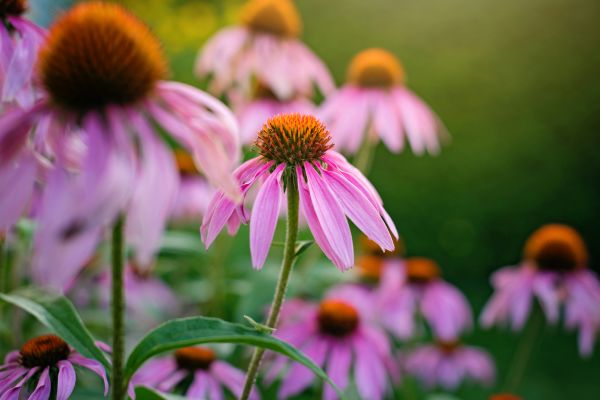
Herbal Highlight- Echinacea
Herbal Highlight: Echinacea – Winter’s Immune Ally
As the cold winds and rains roll in and we’re called inward to rest and restore, nature offers us a powerful herbal ally to help guard our health and vitality—Echinacea, a striking purple coneflower with deep roots in traditional medicine.
A Little Plant Lore
Echinacea holds a sacred place in the history of traditional healing, especially among Native American Nations, who were the first to discover and honour its remarkable medicinal power. Tribes such as the Lakota, Cheyenne, Kiowa, and Comanche used different parts of the plant—root, flower, and seed—for a wide range of purposes: from infectious conditions, toothaches, snake and insect bites, to soothing fevers and boosting general resilience.
This ancestral knowledge forms the foundation of how herbalists today work with Echinacea. It was used not only as a physical medicine but often as a plant of protection, helping strengthen one’s life force. The teachings passed down through oral tradition and direct experience were later observed and adopted by settlers and Eclectic physicians in the 1800s, who helped bring Echinacea into Western herbal medicine. But its true roots, and the wisdom of how to work with it, come from the land and the First Peoples who walked it.
Herbal Actions
Echinacea is most commonly known as an immune stimulant and modulator, helping to strengthen the body’s natural defences, particularly when we feel run down or exposed to winter bugs. It’s also an antimicrobial, anti-inflammatory, and lymphatic, meaning it helps shift congestion and supports the body’s detox processes during illness.
Key Constituents
Echinacea’s actions come from a rich synergy of compounds, each playing a role in supporting immune and tissue health. Some of the key active constituents include:
- Alkamides – help modulate immune response and reduce inflammation
- Polysaccharides – support immune activity and help protect mucous membranes
- Caffeic acid derivatives (like echinacoside) – offer antioxidant and antimicrobial properties
- Flavonoids – strengthen tissues and act as natural anti-inflammatories
- Volatile oils – contribute to antimicrobial action and lymphatic movement
These components work together to support both short-term immune response and longer-term immune resilience when used correctly and respectfully.
Winter Wellness Uses
Echinacea is most effective when taken at the first sign of illness—think tickle in the throat, swollen glands, or fatigue. It’s also beautiful in:
- Immune blends for cold and flu season
- Throat sprays or gargles for scratchy throats
- Tincture blends to support lymphatic drainage
- Pet-friendly formulas to help with immune response in dogs (under practitioner guidance)
Find our blends for pets and people in the Apothecary!
Energetics & Symbolism
Echinacea carries a cooling and drying energy, useful when the body is hot and inflamed. Spiritually, it’s thought to offer energetic shielding—a beautiful plant for those who tend to ‘catch’ others’ energy or feel energetically vulnerable during the darker months.
How to Use
- Tincture: 2–5ml, 2–3 times a day at the onset of symptoms
- Tea: Less common due to its strong flavour, but can be used in blends
- Topical: In creams or washes for infected wounds or boils
Always best used in short bursts rather than long-term to prevent immune overstimulation.
Cautions
While Echinacea is generally considered very safe, there are a few important notes to keep in mind:
- Not suitable for long-term daily use unless under professional guidance—best used in acute phases or short-term support.
- May not be appropriate for those with autoimmune conditions, as it stimulates immune activity.
- Rarely, some people may experience allergic reactions, especially if allergic to plants in the daisy (Asteraceae) family.
- If pregnant, breastfeeding, or taking medications, it’s always wise to consult your herbalist or healthcare provider.
For pets, use only in low, practitioner-advised doses, and avoid use in animals with autoimmune disorders unless directed.
Blends Well With...
- Elderberry and thyme for cold and flu blends
- Calendula and cleavers for lymphatic support
- Licorice and marshmallow to soothe inflamed mucosa
- Astragalus for ongoing immune resilience (post-illness)
DIY Winter Immune Elixir
A soothing, immune-supportive syrup to keep on hand during the colder months
Purpose:
To support the immune system at the first signs of illness, calm inflammation, and ease symptoms like sore throats and swollen glands. This blend brings together warming, antimicrobial, and immune-stimulating herbs—perfect for the whole family (with a few tweaks for kids and pets).
Ingredients:
- 30g dried Echinacea root (or 45g fresh if available)
- 20g dried Elderberries
- 10g dried Ginger root (sliced or chopped)
- 1 stick of Cinnamon
- Zest of ½ a lemon (organic if possible)
- 500ml water
- 200ml raw honey (or glycerine for alcohol-free or pet-friendly versions)
- Optional: splash of brandy (as a preservative and warming tonic)
Method:
- Add the Echinacea, elderberries, ginger, cinnamon, and lemon zest to a small saucepan with the water.
- Bring to a boil, then reduce heat and let it simmer gently (covered) for 30–40 minutes until reduced by about half.
- Strain the liquid while warm using a fine mesh strainer or muslin cloth.
- While still warm—but not hot—stir in the honey (or glycerine).
- If using brandy, add 1–2 tablespoons to help preserve.
- Bottle in a sterilised jar or amber glass bottle and store in the fridge for up to 6 weeks.
Dosage (Adults):
- 1 teaspoon 2–3 times a day at the first signs of illness
- Can also be used daily for a few days following exposure to bugs (e.g. after travel or being around unwell people)
For children: halve the dose.
Ritual Tip:
Take this elixir with intention—pause, breathe in the warmth, and imagine your immune system awakening with the strength of the purple coneflower. A gentle way to honour the shift of season and the body’s wisdom.
A Note on Pets 🐾
Echinacea can also be used in low, calculated doses for dogs, especially to help with viral infections, kennel cough, or low immunity. Always check suitability for your animal and consult with a practitioner before use.
In the Clinic
At Inner Peace Holistic Herbal Therapy, Echinacea features in several winter wellness and immune blends for both humans and pets. It’s often combined with supportive herbs to create powerful seasonal tonics, available in our online store or by prescription after consultation.
Find them here
Final Thoughts
Echinacea reminds us to honour our body’s signals and strengthen our inner defences—physically, emotionally, and spiritually. As the earth turns inward this season, let this bold purple bloom be a symbol of inner strength, ancestral wisdom, and protection.
📚 References
-
Bone, K., & Mills, S. (2013). Principles and Practice of Phytotherapy: Modern Herbal Medicine (2nd ed.). Churchill Livingstone.
-
Hoffmann, D. (2003). Medical Herbalism: The Science and Practice of Herbal Medicine. Healing Arts Press.
-
Weed, S. S. (1989). Healing Wise. Ash Tree Publishing.
-
Tilgner, S. (2009). Herbal Medicine From the Heart of the Earth. Wise Acres Publishing.
-
Moerman, D. E. (1998). Native American Ethnobotany. Timber Press.
-
Chevallier, A. (2001). Encyclopedia of Herbal Medicine. Dorling Kindersley.
-
Barret, B. (2003). Medicinal Properties of Echinacea: A Critical Review. Phytomedicine, 10(1), 66–86.
-
National Center for Complementary and Integrative Health (NCCIH). (2020). Echinacea – Research Overview.
Herbal Highlight- Hawthorn
Hawthorn: Guardian of the Heart
In the tangled hedgerows of old forests and country lanes, there grows a humble yet powerful ally—Hawthorn (Crataegus monogyna). With its gnarled branches, delicate white blossoms in spring, and deep red berries in autumn, this ancient herb has long been cherished for both its physical and energetic support of the heart.
A Tree with Lore and Legacy
Also known as Mayblossom, Thornapple, or Heartthorn, Hawthorn has been woven into folklore for centuries. Sacred to the fae and often planted near dwellings for protection, this tree was believed to guard against ill will and promote love, fertility, and healing. Its blossoms were used in Beltane celebrations, a time of heart-opening and life blossoming.
But beyond the stories, Hawthorn has firmly established itself as one of the most revered cardiovascular tonics in herbal medicine.
Properties of Hawthorn
Hawthorn’s flowers, leaves, and berries are all used in herbal practice, often in synergy to support the circulatory system. It's a gentle yet effective cardiotonic, traditionally used for:
-
Cardiotonic – Strengthens and supports the heart muscle
-
Circulatory stimulant – Improves blood flow and oxygenation
-
Antioxidant – Protects blood vessels and tissues from oxidative damage
-
Hypotensive – May help lower high blood pressure gently over time
-
Astringent – Mildly toning for tissues
-
Nervine – Calming for the nervous system, especially around grief or anxiety
-
Anti-inflammatory – Particularly in the cardiovascular system
Often called a "hug for the heart," Hawthorn works subtly over time, helping to fortify the heart both physically and emotionally.
For long-term cardiovascular or emotional support, daily use over weeks to months is often more effective than acute or occasional dosing.
Common uses of Hawthorn in Herbal Medicine
Cardiovascular Health
-
Heart Tonic: Supports and strengthens the heart muscle (great for chronic heart conditions or general heart wellness)
-
Mild Hypertension: Helps regulate blood pressure gently over time
-
Arrhythmias: May ease mild, benign heart rhythm irregularities
-
Atherosclerosis: Antioxidants support vascular health and reduce plaque formation
-
Post-Heart Illness Recovery: Used as part of a long-term cardiac recovery plan
Emotional & Nervous System Support
-
Grief & Heartache: Hawthorn is often called the "herb of the broken heart"—used in times of sorrow, grief, or emotional trauma
-
Anxiety & Nervous Tension: Especially when emotional strain is felt physically in the chest or heart area
-
Emotional Boundaries: Energetically, Hawthorn helps build strong emotional walls while keeping the heart open
Energetic & Spiritual Uses
-
Heart Chakra Support: Used in rituals or flower essences to open, heal, and protect the heart
-
Protection & Warding: In folklore, Hawthorn is a boundary herb—protective against negative energies
-
Rites of Passage: A companion herb for deep life transitions involving the heart and self-worth
Companion Animal Use (with guidance)
-
Occasionally used in canine herbal support, particularly for older dogs with heart or circulatory concerns—but always under a trained herbalist or vet’s direction.
Key Constituents
Hawthorn is rich in flavonoids, oligomeric procyanidins (OPCs), and vitamin C, which offer antioxidant and anti-inflammatory benefits. These constituents are what give it that vasodilating, blood-pressure balancing magic.
How to Use Hawthorn
You’ll find Hawthorn in tinctures, teas, capsules, and elixirs. It combines beautifully with other calming or cardiovascular herbs like Linden, Motherwort, Yarrow, and Rose.
1. Tea (Infusion/Decoction)
-
Flowers and leaves are best prepared as an infusion (steeped in hot water).
-
Berries are harder and best used as a decoction (simmered gently for 15–20 mins).
-
Use: For gentle, long-term heart and nervous system support.
-
Taste: Mildly fruity, slightly astringent, subtly floral.
2. Tincture
-
Alcohol extract made from berries, flowers, and/or leaves.
-
Often used for cardiovascular toning, nervous system support, or emotional heartache.
-
Dose: Commonly 1–2 ml, 2–3 times per day (consult a practitioner for individual dosing).
-
Combines well with: Motherwort, Linden, Rose, or Lemon Balm.
3. Elixir
-
A sweetened tincture combining alcohol and raw honey.
-
Beautiful for emotional heart support, grief, or anxiety.
-
Use: Taken drop by drop or in small doses during times of emotional need.
4. Capsules & Tablets
-
Available as powdered berry or extract form.
-
A convenient option for daily cardiovascular support, especially for those who don’t like tinctures.
5. Oxymel
-
Vinegar + honey preparation (like Fire Cider base).
-
A tangy, sweet way to take Hawthorn, especially for those avoiding alcohol.
-
Use: Supports digestion, circulation, and heart health.
6. Syrup
-
A sweet, thick preparation often made from simmered berries and sweetened with honey or sugar.
-
Great for children or those with a sensitive palate.
-
Use: Nourishing, gentle tonic—good in cold weather or recovery.
7. Flower Essence
-
A vibrational medicine made from Hawthorn blossoms.
-
Used for emotional healing, grief, opening the heart, and building resilience.
-
Taken in drops (typically under the tongue or in water).
As always, if you're on heart medications or have a cardiovascular condition, it’s best to consult a qualified practitioner before use.
Hawthorn Heart Elixir Recipe
A sweet, strong tonic for emotional and physical heart support.
Ingredients:
-
1 part dried Hawthorn berries
-
1 part dried Hawthorn leaves and flowers (if available)
-
½ part dried Rose petals (for added heart-opening energy and floral notes)
-
½ part Cinnamon chips or 1–2 small sticks (warming, circulatory)
-
Raw local honey to taste
-
Brandy or vodka (at least 40% alcohol)
Optional Additions:
-
A pinch of dried Motherwort (for deep emotional support)
-
A splash of Vanilla extract (for sweetness and soul warmth)
-
A few dried Hibiscus petals (for a tart tang and added colour)
Instructions:
-
Fill a jar about halfway with your dried herbs (berries, leaves/flowers, rose, cinnamon). You can adjust ratios to your liking—this is folk herbalism, not pharmacy!
-
Cover the herbs with equal parts brandy and raw honey. (If you prefer a sweeter elixir, use more honey. For a sharper tincture-like feel, use more alcohol.)
-
Stir well, lid tightly, and label with the date and ingredients.
-
Store in a cool, dark place for 4–6 weeks, shaking gently every few days and whispering a little love into the jar if you’re that kind of herbalist.
-
When ready, strain through muslin or cheesecloth and bottle your elixir in amber glass.
How to Use:
-
Take 1 dropperful (about 1ml) 1–3 times daily during times of stress, emotional healing, or cardiovascular support.
-
Add to tea, under the tongue, or even in warm water with lemon as a morning ritual.
Energetic & Emotional Support
On an energetic level, Hawthorn is a boundary protector and heart opener. It’s often used in flower essence form or ritual tea for those carrying old grief, navigating heartbreak, or seeking to reconnect to love and trust.
It’s the herbal companion for when you need to fortify your heart, soften your edges, or tend the soul after emotional storms.
Cautions for Using Hawthorn
Medication Interactions
-
Hawthorn can potentiate (increase the effects of) cardiac medications, such as:
-
Beta-blockers
-
Calcium channel blockers
-
Digitalis (Digoxin)
-
ACE inhibitors
-
-
Caution is advised if the person is on any prescribed heart or blood pressure medication. Always consult a qualified herbalist or healthcare provider before combining.
- Pregnancy and breastfeeding- always seek advice from a healthcare practitioner or qualified herbalist before taking any herbal medicine.
Final Thoughts
I love Hawthorn for it's therapeutic properties on the heart and heart space.
Hawthorn teaches us that strength and softness are not opposites but companions. Just as its thorny branches protect its delicate blossoms, so too can we create space for healing and resilience in our own lives.
Whether you walk past a blooming tree or sip on a daily cup of berry tea, may you feel held by the ancient magic of this wild and wondrous heart herb.
Herbal Highlight - Chamomile
I love Chamomile. It is such a gentle, nurturing herb that has many uses to support people, especially those that struggle with different nervous system complaints including anxiety, stress, sleep complaints, pain and cramping.
Chamomile, particularly the species Matricaria chamomilla (also known as German chamomile) and Chamaemelum nobile (Roman chamomile), has been widely used in herbal medicine for its various therapeutic properties. Here are some of the key properties and uses of chamomile:
Properties of Chamomile
- Anti-inflammatory: Chamomile has potent anti-inflammatory compounds, including flavonoids (such as apigenin), that help reduce inflammation in the body.
- Antioxidant: Chamomile is rich in antioxidants, including flavonoids and terpenoids, which help neutralize free radicals, protecting cells from oxidative damage.
- Antibacterial and Antifungal: Chamomile has mild antibacterial and antifungal effects, making it helpful in fighting off infections.
- Sedative: Chamomile has a calming effect on the nervous system, making it effective for reducing stress, anxiety, and promoting sleep.
- Digestive aid: Chamomile is commonly used for its digestive benefits, including reducing indigestion, bloating, and gas.
- Antispasmodic: Chamomile helps to relieve muscle spasms, especially in the digestive tract.
Common Uses of Chamomile in Herbal Medicine
- Digestive Health: Chamomile is frequently used to ease indigestion, bloating, and upset stomach. It can also help to relieve symptoms of irritable bowel syndrome (IBS) and is often used to reduce nausea.
- Sleep Aid: Chamomile is best known for its ability to help induce sleep and relieve insomnia. Drinking chamomile tea before bed is a common practice to promote relaxation and improve sleep quality.
- Anxiety and Stress Relief: Due to its calming effects on the nervous system, chamomile is often used to alleviate mild anxiety, stress, and restlessness.
- Skin Health: Chamomile is used topically for its anti-inflammatory and soothing properties. It can help relieve skin irritation, such as eczema, rashes, and minor burns, and is commonly found in creams and ointments for these purposes.
- Cold and Respiratory Support: Chamomile can help to relieve symptoms of the common cold, such as sore throat, nasal congestion, and coughing. Chamomile inhalations are sometimes used to help clear the sinuses and soothe irritated airways.
- Menstrual Health: Chamomile is often used to help relieve menstrual cramps and discomfort due to its muscle-relaxing and anti-inflammatory properties.
- Anti-inflammatory and Pain Relief: Chamomile is used in managing inflammatory conditions like arthritis or general muscle pain, often in the form of topical creams or as part of a tea to help reduce swelling and pain.
Methods of Use
- Chamomile Tea: The most common way to use chamomile, offering both relaxation and digestive benefits.
- Chamomile Essential Oil: Used in aromatherapy or diluted for topical use to help with anxiety, skin issues, or muscle pain.
- Chamomile Extract: Taken in liquid or capsule form, often for digestive or anti-inflammatory purposes.
- Topical Application: Chamomile creams, lotions, and ointments can be applied directly to the skin for conditions like eczema or inflammation.
Precautions
- Allergic Reactions: People allergic to ragweed or other members of the Asteraceae family may experience allergic reactions to chamomile.
- Drug Interactions: Chamomile may interact with anticoagulants, sedatives, and certain medications. It's best to consult with a healthcare provider before using chamomile alongside prescription drugs.
Overall, chamomile is a versatile and gentle herb widely used in both traditional and modern herbal medicine for its soothing, anti-inflammatory, and calming properties.
If you feel like Chamomile might be a good fit for you, please reach out for more information!
- 1
- 2